

Luxury Travel Blog
 Travel Tips & Insights
 Culture, Tradition & Cuisine
OUR CLIENTS' REVIEWS
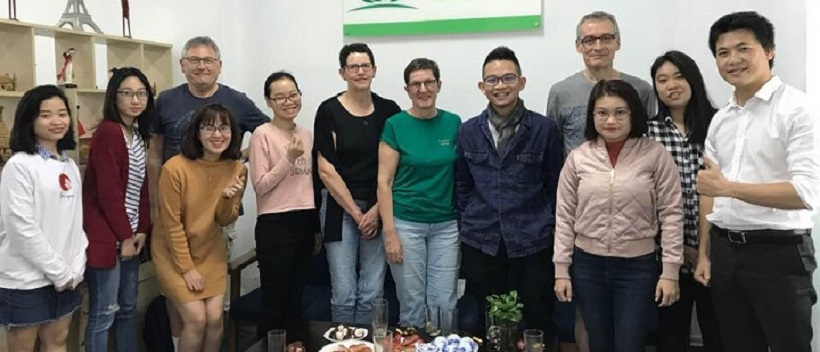
Ms Lena Karento
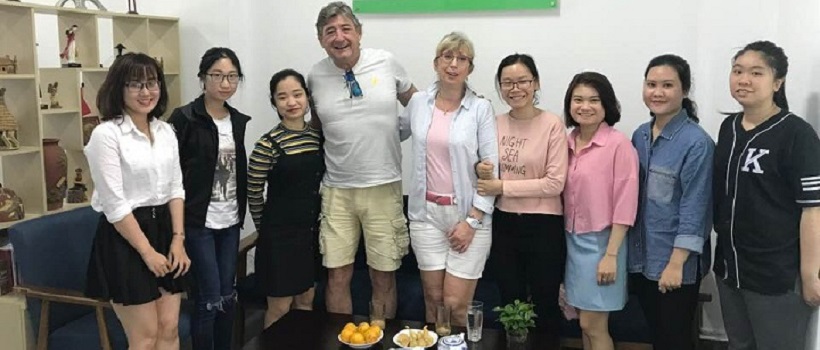
Mr Michael & Ms Jenny
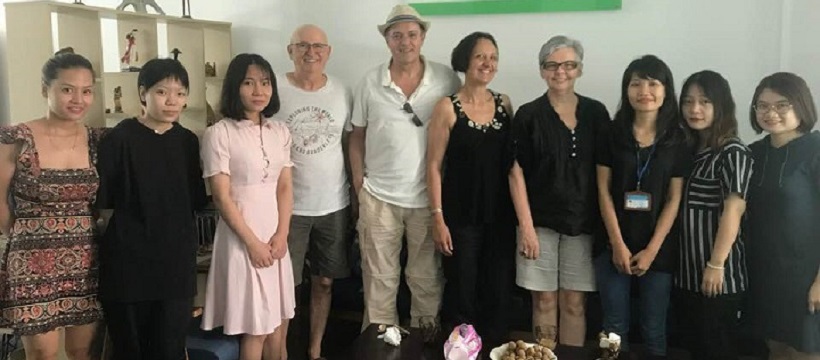
M Alain Dubois
RECOMMANDED ON

OUR VISITORS' GALLERY


OUR COLLECTION OF VIDEOS

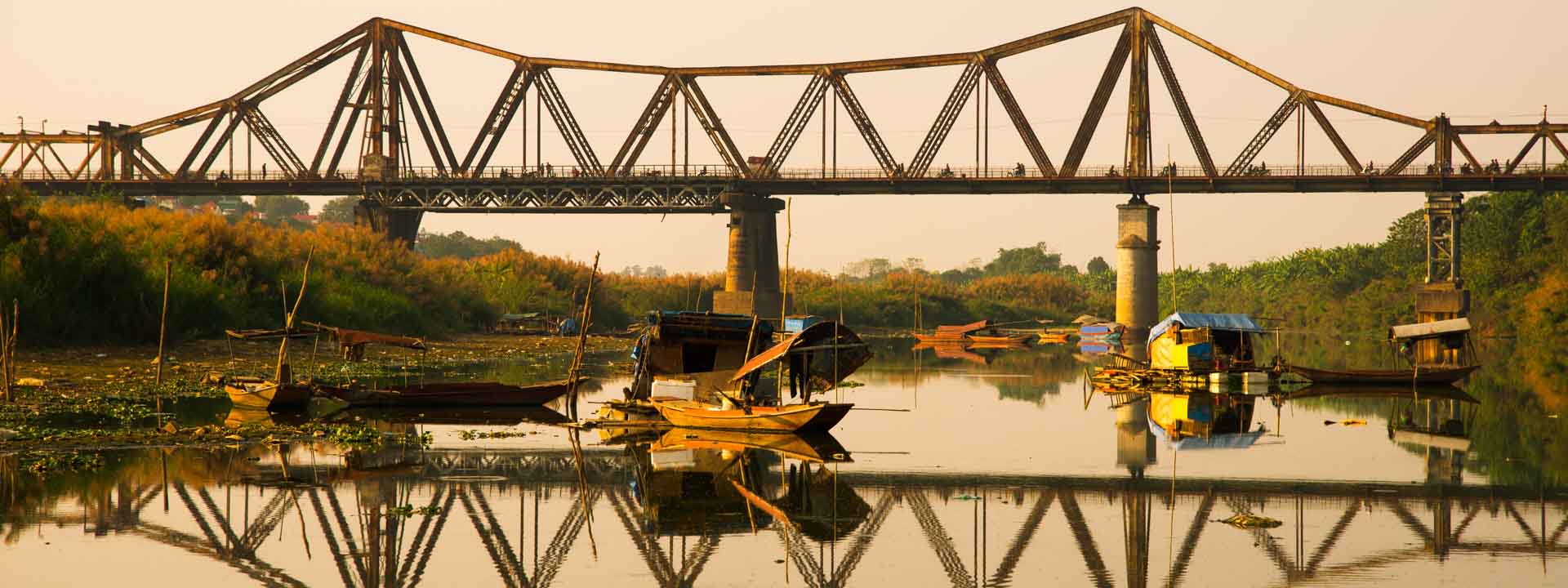
Vietnam Food Guide What to Eat, Where to Try It, and How to Experience Authentic Vietnamese Cuisine (Vietnam Travel Guide)
Vietnam Food Guide: What to Eat, Where to Find It, and How to Eat Like a Local
Vietnam is one of the most exciting food destinations in the world. For many travelers, Vietnamese cuisine is not just part of the journey, it is the reason for the journey. From street-side bowls of noodles to refined regional specialties, food in Vietnam reflects geography, history, and daily life.
This Vietnam food guide is designed for first-time visitors who want practical, real-world insight into what to eat, where to eat it, and how to navigate the local food scene with confidence.
Why Vietnamese Cuisine Stands Out
Vietnamese cuisine is defined by balance. Flavors are layered but never overwhelming. Fresh herbs, light broths, grilled meats, and contrasting textures create dishes that feel both satisfying and refreshing.
Unlike heavier cuisines, Vietnamese food often emphasizes freshness and simplicity. Meals are built around herbs like mint and coriander, vegetables, rice, and carefully prepared proteins.
Regional diversity is another key feature. What you eat in northern Vietnam is noticeably different from the flavors of central or southern regions. Understanding these differences helps you experience the country more deeply.
Northern Vietnam: Subtle, Balanced Flavors
In northern Vietnam, especially around Hanoi, flavors tend to be mild and balanced. Dishes focus on natural taste rather than strong seasoning.
Pho is the most iconic dish. In the north, pho is typically lighter, with a clear broth, fewer herbs, and a focus on depth of flavor from slow-cooked bones.
Bun Cha is another must-try. Grilled pork served with rice noodles, herbs, and dipping sauce offers a perfect balance of sweet, salty, and smoky.
Street food culture in Hanoi is strong. Small stalls often specialize in one dish perfected over decades. These places may look simple, but they often serve the most authentic meals.
Central Vietnam: Bold and Complex
Central Vietnam, including Hue and Hoi An, is known for stronger, spicier flavors and more elaborate presentation.
Bun Bo Hue stands out for its rich broth and lemongrass aroma. It is more intense than pho and reflects the royal culinary traditions of Hue.
Banh Xeo is a crispy rice pancake filled with shrimp, pork, and bean sprouts. It is typically wrapped in herbs and dipped in fish sauce, creating a mix of textures and flavors.
Central cuisine often includes smaller dishes served together, encouraging variety and exploration.
Southern Vietnam: Sweet, Fresh, and Diverse
Southern Vietnam, particularly Ho Chi Minh City, offers a more vibrant and diverse food scene influenced by trade and cultural exchange.
Dishes here tend to be slightly sweeter and include more herbs and vegetables.
Banh Mi is a global favorite. A crispy baguette filled with meats, pickled vegetables, herbs, and sauces creates a quick and flavorful meal.
Com Tam is a popular local dish, often served with grilled pork, egg, and fish sauce.
Street food in the south is energetic and varied, with options available at almost any hour.
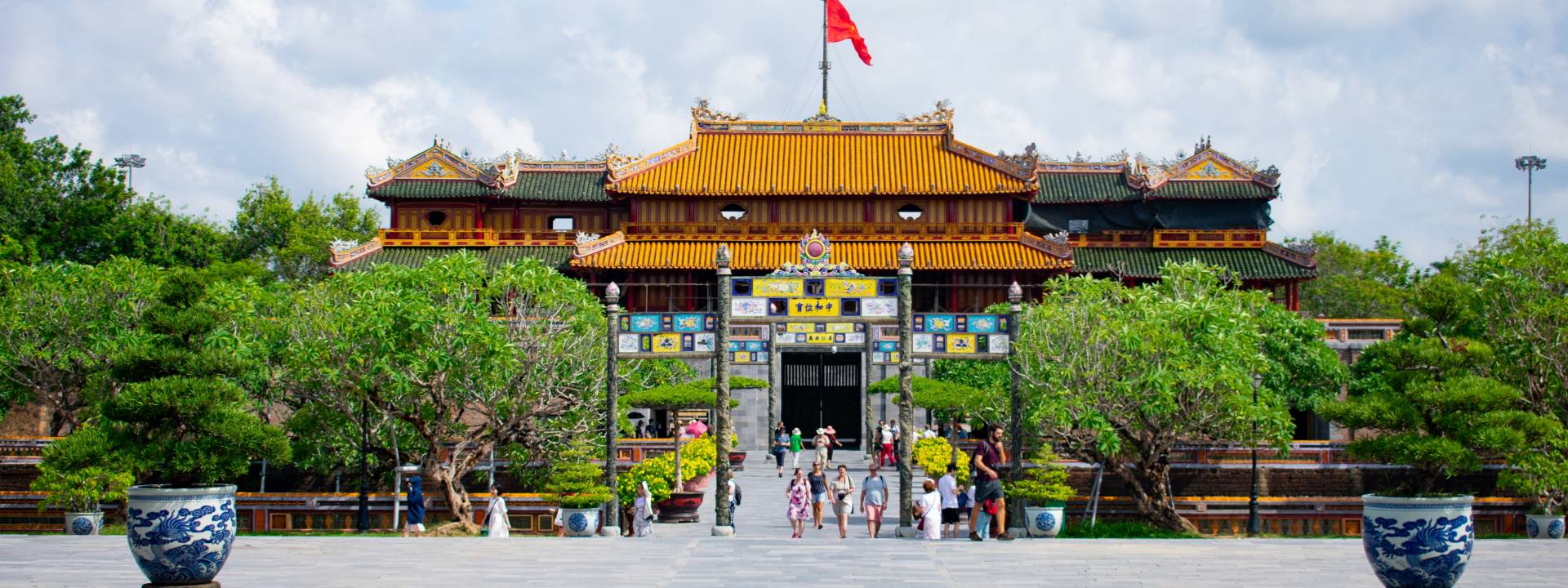
Street Food in Vietnam: What You Need to Know
Street food is the heart of Vietnamese cuisine. It is affordable, accessible, and often better than restaurant versions of the same dishes.
To enjoy street food safely and confidently, follow these practical tips:
Choose busy stalls with high turnover
Look for freshly prepared food
Observe how ingredients are handled
Start with cooked dishes before trying raw items
Sitting on small plastic stools, eating among locals, is part of the experience. It may feel unfamiliar at first, but it quickly becomes one of the most memorable aspects of traveling in Vietnam.
Must-Try Vietnamese Dishes
While regional specialties vary, some dishes are essential for any visitor.
Goi Cuon are light and refreshing, made with shrimp, herbs, and rice paper.
Cha Gio offer a crispy contrast, filled with minced meat and vegetables.
Cao Lau is unique to Hoi An, featuring thick noodles, pork, and local greens.
Each dish reflects a different aspect of Vietnamese culinary tradition.
Vietnamese Coffee Culture
Coffee is an essential part of daily life in Vietnam. It is strong, rich, and often served with condensed milk.
Vietnamese iced coffee is the most popular version, combining bold coffee with sweetness and ice.
Cafés are everywhere, from street corners to modern spaces. They are not just places to drink coffee but social hubs where people meet, work, and relax.
Trying different styles of coffee is an important part of understanding Vietnamese food culture.
Eating Etiquette in Vietnam
Understanding local dining etiquette enhances your experience.
Meals are often shared, with dishes placed in the center
Chopsticks are the main utensils
Avoid placing chopsticks upright in rice
Wait for elders or hosts to begin eating
If invited to a local home, it is polite to try all dishes and express appreciation.
Respect and openness are more important than perfect etiquette.
How to Choose Where to Eat
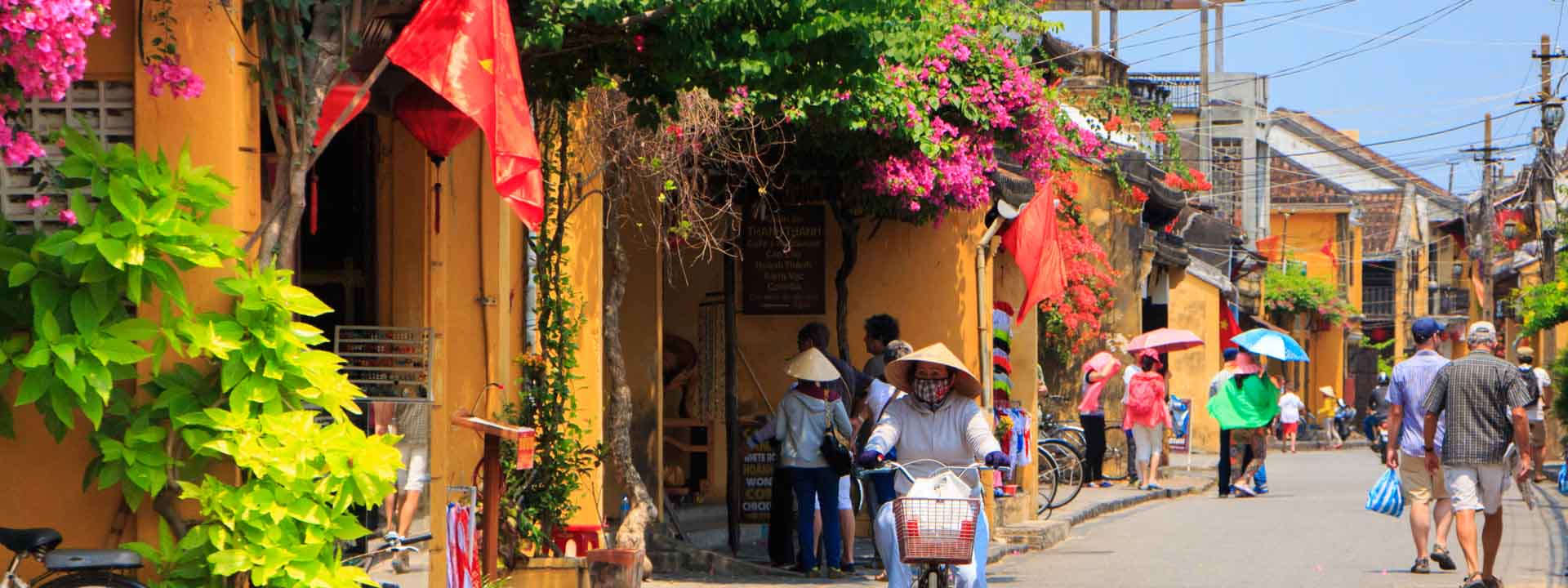
Finding good food in Vietnam is not about choosing the most expensive restaurant. Often, the best meals come from small, local places.
Look for:
Crowds of local customers
Simple menus focused on one or two dishes
Fresh ingredients prepared on-site
Online reviews can help, but personal observation is often more reliable.
Food tours are also a great option, especially for first-time visitors. They provide context, history, and access to hidden spots.
Regional Food Experiences Worth Trying
Each region offers unique culinary experiences.
In the north, early morning pho in Hanoi is a cultural ritual.
In central Vietnam, tasting multiple small dishes in Hue reveals royal influences.
In the south, exploring night markets in Ho Chi Minh City shows the energy of local life.
These experiences go beyond food. They connect you with daily routines and local traditions.
Practical Tips for Food Travelers
Carry small cash for street food purchases
Be open to trying new ingredients
Ask locals for recommendations
Stay hydrated, especially in hot weather
If you have dietary restrictions, learn key phrases or use translation apps to communicate clearly.
Flexibility and curiosity will lead to the best experiences.
Why Food is the Best Way to Understand Vietnam
Food in Vietnam is not just about taste. It reflects history, geography, and social life.
Every dish tells a story. From family recipes passed down through generations to street vendors perfecting a single meal over decades, Vietnamese cuisine is deeply personal.
For travelers, engaging with food is one of the most direct ways to connect with the culture.
Final Thoughts
This Vietnam food guide is not about checking off a list of dishes. It is about understanding how food fits into everyday life.
Eat where locals eat. Try dishes you cannot pronounce. Take time to sit, observe, and enjoy.
Vietnam rewards curiosity. The more you explore its food culture, the more meaningful your journey becomes.
From street corners to hidden kitchens, every meal is an opportunity to discover something new

-
Discover the best Hoi An luxury food experiences, from private cooking classes and fine dining to au ...
-
Explore Vietnam culture through traditions, food, etiquette, and daily life. This practical guide he ...
Comment