

Luxury Travel Blog
 Travel Tips & Insights
 Culture, Tradition & Cuisine
OUR CLIENTS' REVIEWS
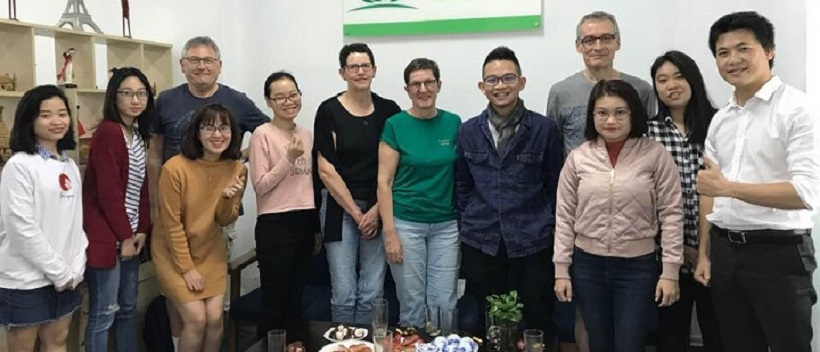
Ms Lena Karento
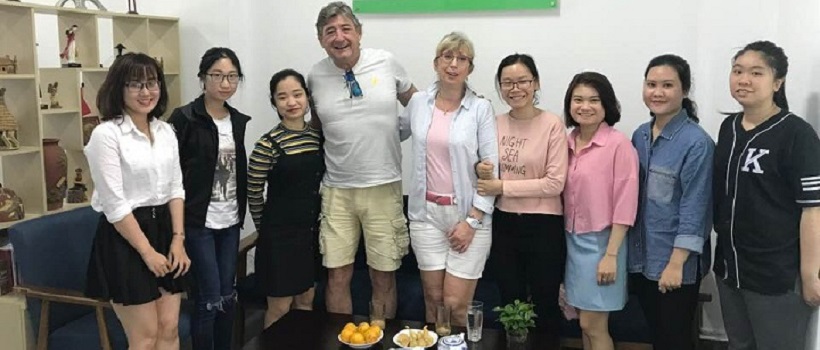
Mr Michael & Ms Jenny
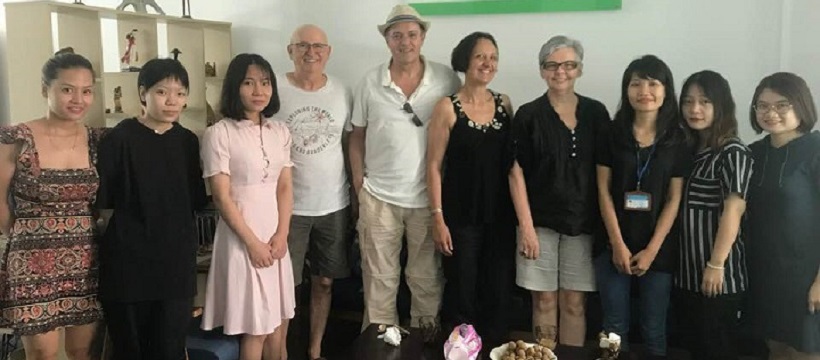
M Alain Dubois
RECOMMANDED ON

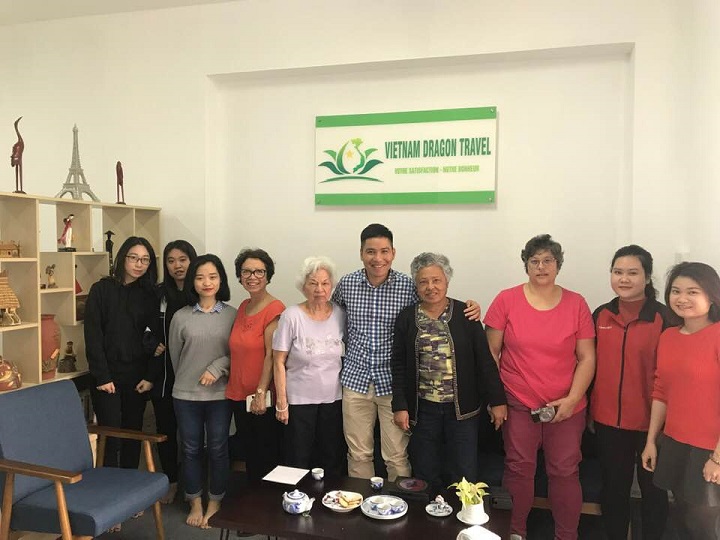
OUR VISITORS' GALLERY


OUR COLLECTION OF VIDEOS

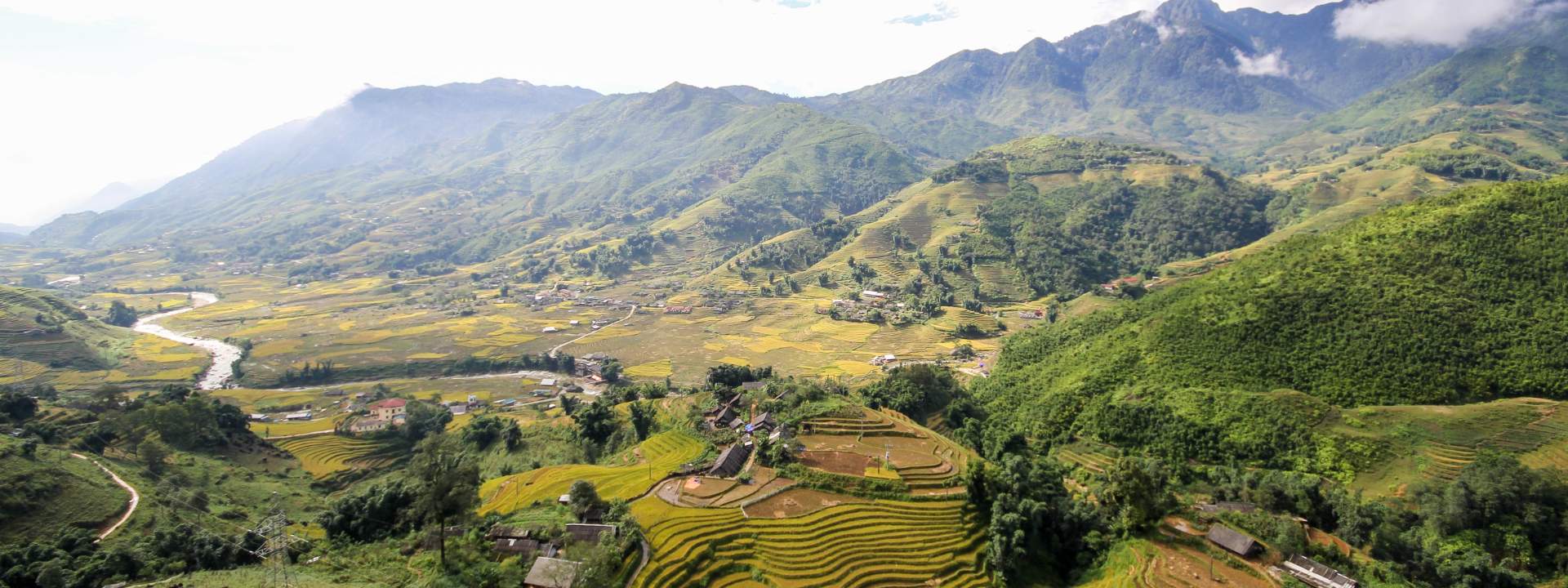
Vietnam Culture Guide Traditions, Etiquette, Food & Local Life for First-Time Visitors (Travel Insights)
Vietnam Culture Guide: Understanding Traditions, Etiquette, and Everyday Life
Vietnam is not just a destination of landscapes and cuisine. It is a country shaped by thousands of years of history, layered traditions, and deeply rooted social values. For travelers, understanding Vietnam culture transforms a simple trip into a more meaningful and authentic experience.
This guide is designed for first-time visitors who want more than sightseeing. It focuses on practical cultural insights, real-life interactions, and how to navigate daily situations with confidence and respect.
The Foundation of Vietnamese Culture
Vietnamese culture is strongly influenced by Confucian values, Buddhism, and village-based traditions. These influences shape how people communicate, behave, and relate to one another.
Family is the core of society. Respect for elders, strong family bonds, and collective responsibility are deeply embedded in everyday life. Decisions are often made with the family in mind rather than individual preference.
Community also plays a major role. Even in large cities, you will notice how neighborhoods function like small communities where people know each other and interact daily.
For travelers, this means that relationships and respect matter more than efficiency or directness.
Communication Style and Social Etiquette
Vietnamese communication is generally indirect and polite. People often avoid saying “no” directly to prevent causing discomfort or loss of face.
Smiling is a common social tool. It can express friendliness, agreement, or even uncertainty. Do not always interpret a smile as confirmation.
When interacting with locals, keep these key points in mind:
Speak calmly and avoid raising your voice
Use both hands when giving or receiving items, especially from older people
Avoid pointing directly at someone or touching another person’s head
Maintain a respectful tone, especially with elders
Titles are important. Addressing someone properly shows respect. When unsure, a simple polite greeting is always appreciated.
Respect for Elders and Hierarchy
Respect for age and hierarchy is central in Vietnamese society. Older people are given priority in conversations, seating, and decision-making.
In social situations, younger people often wait for elders to speak first. When dining, it is polite to let older guests begin eating before you start.
For travelers, showing awareness of this cultural norm creates positive impressions. Small gestures, such as offering your seat or greeting older individuals first, are noticed and appreciated.
Dining Culture in Vietnam
Food is one of the most important aspects of Vietnamese culture. Meals are not just about eating but about sharing and connection.
Most meals are communal. Dishes are placed in the center, and everyone shares. Individual portions are less common outside of restaurants.
Chopsticks are the primary utensils. When using them, avoid sticking them upright in a bowl of rice, as this resembles incense offerings for the deceased.
Street food is a major part of daily life. It is not only affordable but often the most authentic way to experience Vietnamese cuisine. Sitting on small plastic stools, eating among locals, is a cultural experience in itself.
If invited to a local home, it is polite to try a bit of everything offered. Complimenting the food is always appreciated.
Dress Code and Cultural Sensitivity
Vietnam is generally relaxed in terms of clothing, especially in cities. However, modest dress is expected in certain settings.
When visiting temples, pagodas, or rural areas, avoid wearing revealing clothing. Covering shoulders and knees is considered respectful.
In urban areas like Hanoi or Ho Chi Minh City, modern fashion is common. Still, dressing neatly is seen as a sign of respect, especially in social or formal situations.
Religion and Spiritual Life
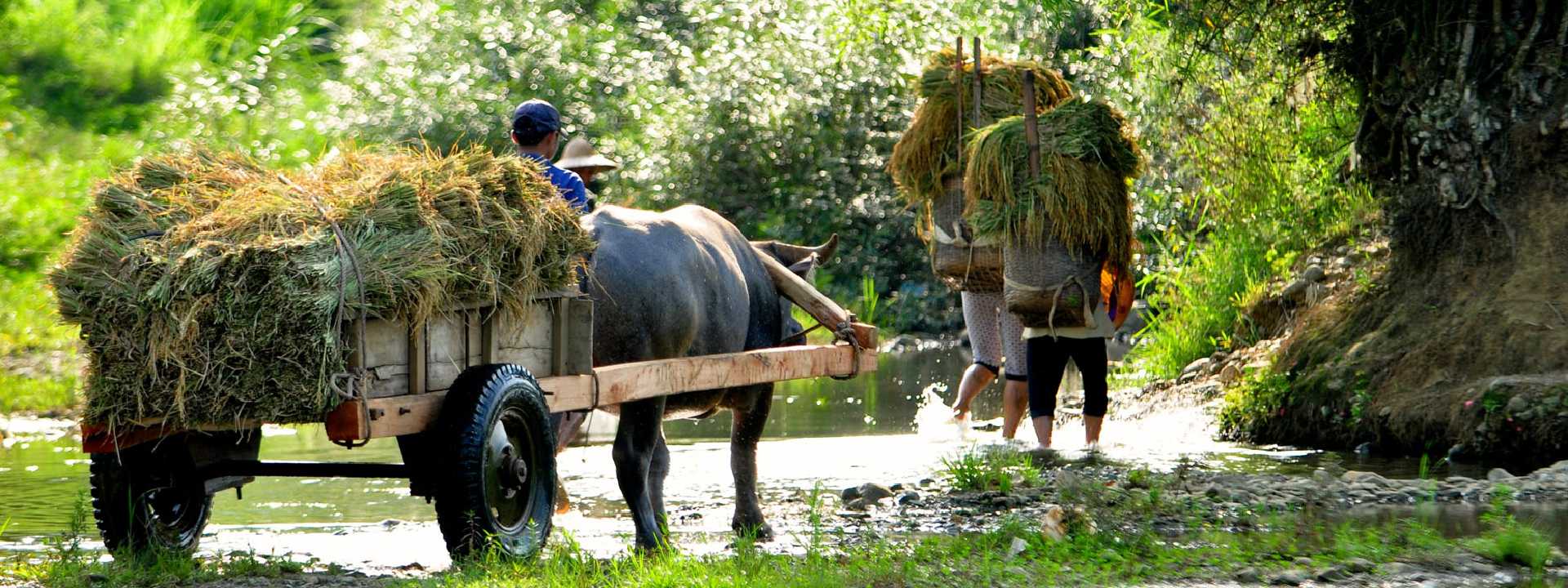
Vietnam is a mix of religious beliefs and practices. Buddhism is the most visible, but many people also practice ancestor worship, Taoism, and folk religions.
Ancestor worship is a key cultural element. Many homes have altars dedicated to family ancestors, where offerings and prayers are made regularly.
Temples and pagodas are important spiritual spaces. When visiting, follow these simple guidelines:
Dress modestly
Speak quietly
Avoid touching sacred objects
Do not turn your back directly to altars when taking photos
Understanding these practices helps travelers appreciate the deeper meaning behind many cultural sites.
Festivals and Cultural Events
Vietnamese festivals are vibrant expressions of culture, tradition, and community.
The most important celebration is Lunar New Year, known as Tet. It marks the beginning of the new year and is a time for family reunions, ancestor worship, and renewal.
During Tet, cities become quieter as people return to their hometowns. Many businesses close, but the cultural atmosphere is unique and memorable.
Other festivals celebrate harvests, historical figures, and local traditions. These events often include traditional music, dance, and food.
For travelers, attending a festival offers a deeper connection to Vietnam beyond typical tourist experiences.
Everyday Life in Vietnam
Daily life in Vietnam is dynamic and energetic. Cities are filled with motorbikes, street vendors, and constant movement.
Mornings often begin early. You will see locals exercising in parks, drinking coffee, or preparing for the day. Street food vendors start serving breakfast at sunrise.
Coffee culture is strong. Vietnamese coffee is bold and often served with condensed milk. Cafés are social spaces where people meet, work, or relax.
Despite the fast pace, there is a sense of balance. People take time to eat, socialize, and enjoy small moments.
Understanding this rhythm helps travelers adapt more easily.
Bargaining and Shopping Culture
Bargaining is common in markets and small shops, especially in tourist areas. It is expected but should be done respectfully.
Start with a reasonable counteroffer and keep the interaction friendly. Smiling and maintaining a positive attitude are key.
In supermarkets, shopping malls, and established stores, prices are fixed.
Supporting local artisans and small businesses is a great way to engage with Vietnamese culture while contributing to the local economy.

Transportation and Street Behavior
Crossing the street in Vietnam can feel overwhelming at first. Traffic flows continuously, especially with motorbikes.
The key is to walk slowly and steadily. Avoid sudden movements. Drivers will adjust their path around you.
Public transportation is improving, but taxis and ride-hailing apps are the most convenient options for visitors.
Understanding how locals navigate traffic helps you feel more confident and safe.
Cultural Differences to Be Aware Of
Vietnamese culture may differ from Western norms in several ways.
Personal space can be smaller, especially in crowded areas
Public displays of affection are less common
Direct criticism is usually avoided
Time can be more flexible in informal situations
Being aware of these differences helps prevent misunderstandings and enhances your travel experience.
Experiencing Authentic Vietnamese Culture
To truly understand Vietnam, go beyond major attractions.
Explore local markets early in the morning
Try regional dishes instead of only popular ones
Visit smaller towns and villages
Engage with locals through simple conversations
Guided tours led by local experts can also provide valuable cultural insights. Cooking classes, craft workshops, and village visits are excellent ways to experience everyday life.
Practical Tips for Cultural Respect
Learn a few basic Vietnamese phrases such as hello and thank you
Remove your shoes when entering someone’s home
Ask permission before taking photos of people
Be patient and flexible in unfamiliar situations
Respect is the most important element. Even small efforts to understand and adapt are appreciated.
Why Culture Matters When Traveling in Vietnam
Vietnam is a country where culture shapes every interaction. From how people greet each other to how meals are shared, cultural values influence daily life.
Travelers who take time to understand these aspects gain more meaningful experiences. You move beyond being a visitor and become a participant in the local environment.
This not only enriches your journey but also builds genuine connections with the people you meet.
Final Thoughts
Vietnam culture is rich, complex, and deeply human. It is found in family meals, morning markets, quiet temples, and lively streets.
For first-time visitors, learning the basics of etiquette, traditions, and social behavior makes travel smoother and more rewarding.
The more you engage with local culture, the more Vietnam reveals itself. Not just as a destination, but as a place full of stories, relationships, and lived experiences.
Travel with curiosity, respect, and openness, and Vietnam will offer far more than you expect.

-
Discover the best Hoi An luxury food experiences, from private cooking classes and fine dining to au ...
-
Discover Vietnam food culture with this practical guide. Learn what to eat, where to find authentic ...

Comment