

Luxury Travel Blog
 Travel Tips & Insights
 Culture, Tradition & Cuisine
OUR CLIENTS' REVIEWS

Ms Lena Karento
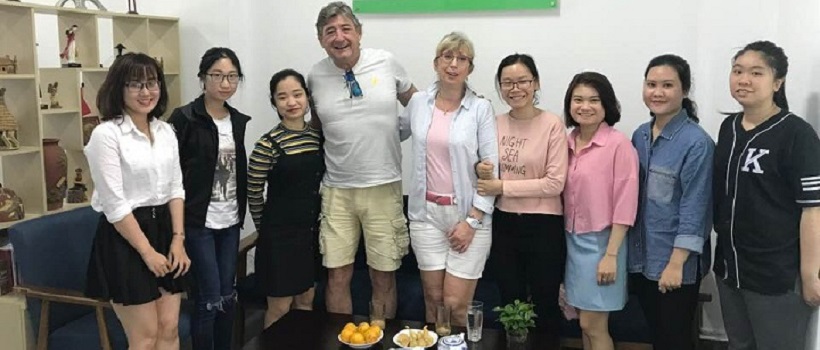
Mr Michael & Ms Jenny

M Alain Dubois
RECOMMANDED ON

OUR VISITORS' GALLERY


OUR COLLECTION OF VIDEOS

Vietnam Travel Trends, Emerging Destinations, Luxury Experiences, Sustainable Travel and Insider Insights for Modern Travelers
Vietnam Travel Trends 2026 & 2027: What Modern Travelers Need to Know
Vietnam is no longer just an emerging destination. It is rapidly evolving into one of Southeast Asia’s most dynamic travel markets, attracting a new generation of travelers seeking authenticity, flexibility, and high-quality experiences.
As global travel behavior continues to shift, Vietnam travel trends in 2026 and 2027 reflect deeper changes in how people explore, book, and experience destinations. This guide provides a clear, practical look at what is shaping the future of travel in Vietnam and how travelers can adapt to make the most of it.
The Shift Toward Experience Driven Travel
One of the most important Vietnam travel trends is the move away from checklist tourism toward experience-driven journeys.
Travelers are no longer satisfied with simply visiting landmarks such as Ha Long Bay or walking through Hoi An. Instead, they are seeking deeper connections.
In 2026 and 2027, this means:
Participating in local cooking classes rather than dining only in restaurants
Staying in boutique or family-run accommodations instead of large hotels
Engaging with local communities through guided cultural experiences
This shift is driven by a desire for meaning, not just movement.
Rise of Secondary and Emerging Destinations
Overtourism in major cities is pushing travelers toward lesser-known regions.
While Hanoi and Ho Chi Minh City remain essential entry points, travelers are increasingly exploring destinations such as Ha Giang, Quy Nhon, and Con Dao Islands.
These locations offer:
Lower crowd density
More authentic cultural experiences
Competitive pricing compared to established destinations
Travel companies are also adapting by designing itineraries that highlight these hidden gems.
Luxury Travel Is Becoming More Personalized
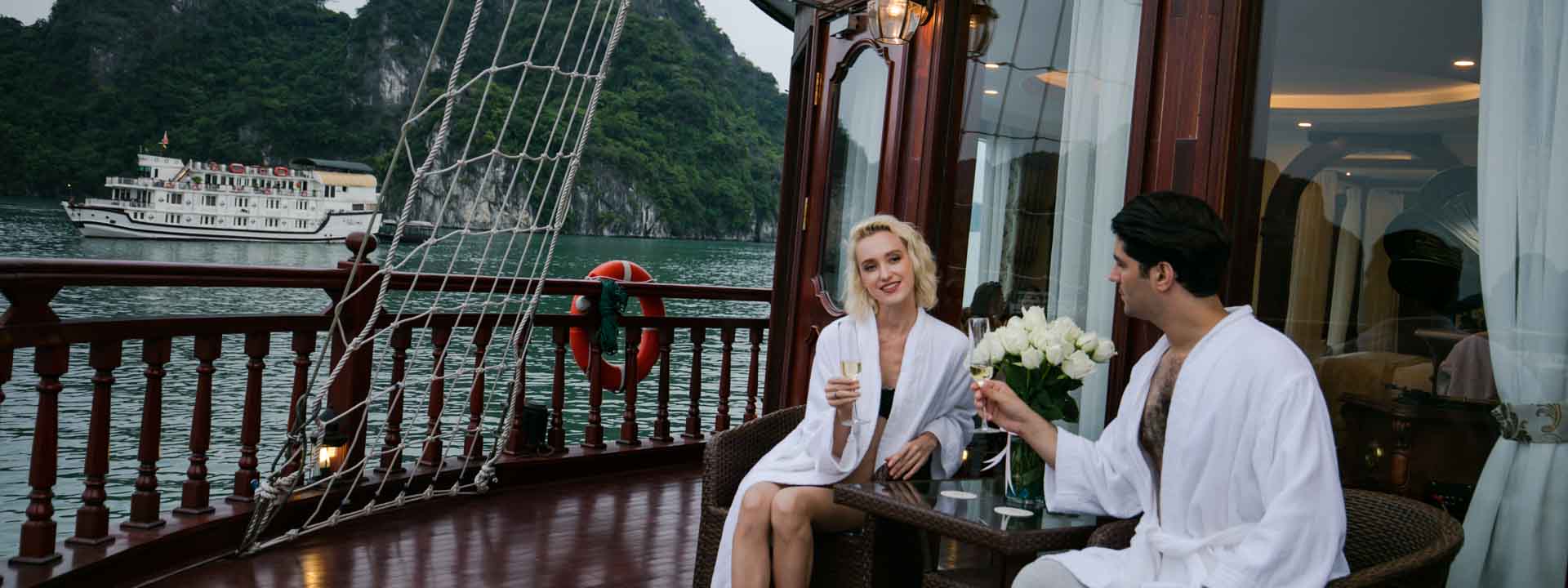
Luxury travel in Vietnam is no longer defined only by five-star hotels. It is increasingly about personalization, privacy, and unique experiences.
High-end travelers are looking for:
Private cruises instead of group tours in Ha Long Bay
Tailor-made cultural experiences in rural regions
Exclusive access to local experts and guides
Boutique resorts and eco-lodges are gaining popularity because they combine comfort with authenticity.
Growth of Sustainable and Responsible Tourism
Sustainability is no longer optional. It is becoming a core expectation.
Vietnam travel trends show a clear increase in demand for:
Eco-friendly accommodations
Low-impact transportation options
Community-based tourism
Destinations such as Pu Luong Nature Reserve and Phong Nha-Ke Bang National Park are benefiting from this trend, as they offer nature-focused experiences aligned with responsible travel values.
Travelers are also more conscious about reducing plastic use and supporting local businesses.
Digital Nomad and Remote Work Travel
Vietnam is becoming a major hub for digital nomads.
Cities like Da Nang and Ho Chi Minh City offer:
Affordable living costs
Reliable internet infrastructure
A growing international community
In 2026 and 2027, extended stays are expected to increase, with travelers combining work and leisure.
This trend is influencing accommodation providers to offer:
Long-term rental options
Co-working spaces
Flexible booking policies.
Shorter, More Flexible Itineraries
Instead of long, rigid itineraries, travelers are choosing shorter trips with greater flexibility.
This trend is driven by:
Remote work opportunities
Changing flight patterns
A preference for quality over quantity
Travelers may spend fewer days overall but invest more in each experience.
For Vietnam, this means:
More focus on regional travel rather than cross-country trips
Greater demand for curated experiences
Increased use of domestic flights to save time
Technology Is Transforming Travel Planning
Digital tools are reshaping how travelers plan their trips.
In 2026 and 2027, Vietnam travel trends include:
Greater reliance on mobile booking platforms
Use of AI-powered travel planning tools
Real-time itinerary adjustments
Travelers expect:
Instant confirmations
Transparent pricing
Easy communication with service providers
Local businesses that adapt to digital trends will have a strong advantage.
Culinary Tourism Is Expanding Rapidly
Vietnam’s food scene has always been a major attraction, but culinary tourism is evolving.
Instead of simply tasting dishes like pho or banh mi, travelers want to understand the story behind them.
Popular experiences now include:
Market tours with local chefs
Hands-on cooking classes
Regional food exploration journeys
Cities such as Hue are gaining attention for their distinct culinary heritage.
Wellness and Slow Travel Experiences
Wellness travel is becoming a major part of Vietnam’s tourism landscape.
Travelers are seeking:
Quiet natural environments
Yoga and meditation retreats
Digital detox experiences
Destinations like Ninh Binh and Phu Quoc are ideal for this type of travel, offering peaceful surroundings and high-quality resorts.
Slow travel, which emphasizes staying longer in one place, is closely linked to this trend.

Adventure Travel Is Growing in Popularity
Vietnam’s diverse geography makes it ideal for adventure travel.
In 2026 and 2027, demand is increasing for:
Trekking in northern mountain regions
Cave exploration in Phong Nha-Ke Bang National Park
Motorbike journeys through remote landscapes
Adventure travel is no longer niche. It is becoming mainstream, especially among younger travelers.
Cultural Immersion Is a Priority
Travelers are looking for meaningful cultural engagement rather than passive observation.
This includes:
Participating in local festivals
Learning traditional crafts
Staying in homestays
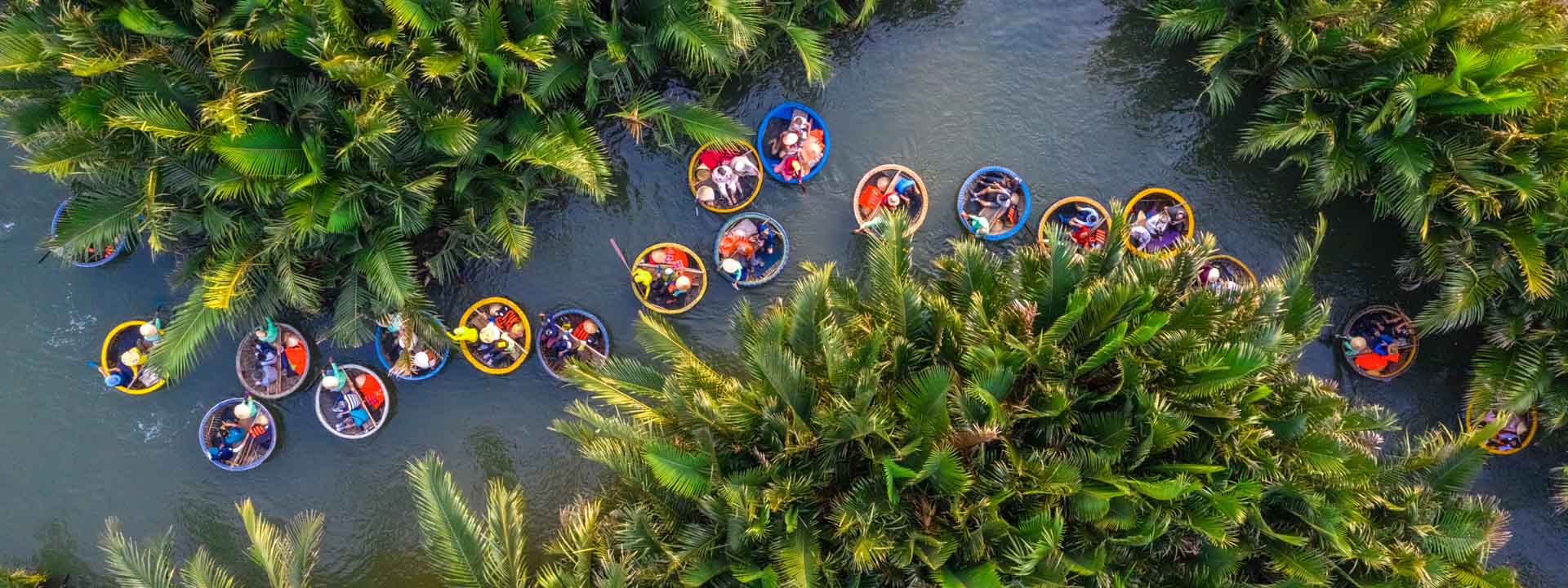
Regions such as Mekong Delta offer immersive cultural experiences that cannot be replicated in urban environments.
Transportation Improvements Are Changing Travel Patterns
Infrastructure improvements are making travel more efficient.
New highways, upgraded airports, and better rail connections are reducing travel time between regions.
This allows travelers to:
Access remote destinations more easily
Combine multiple regions in a single trip
Travel more comfortably
However, the most meaningful experiences often still require slower, local transportation.
Health, Safety, and Travel Confidence
Post-pandemic travel behavior continues to influence decisions.
Travelers prioritize:
Reliable healthcare access
Clear travel policies
Flexible cancellation options
Vietnam has gained a strong reputation for safety, which is contributing to its growing popularity.
Practical Advice for Travelers in 2026 & 2027
To align with these trends, travelers should consider the following:
Plan ahead but remain flexible
Choose experiences over attractions
Support local businesses whenever possible
Stay informed about regional conditions
Invest in quality accommodations and guides
Understanding these trends allows you to travel smarter and more meaningfully.
Final Thoughts
Vietnam travel trends in 2026 and 2027 reflect a broader transformation in global tourism. Travelers are no longer satisfied with surface-level experiences. They are seeking authenticity, sustainability, and personalization.
Vietnam is uniquely positioned to meet these expectations. Its diversity, culture, and evolving infrastructure make it one of the most exciting destinations in the world.
By understanding these trends, travelers can move beyond traditional itineraries and create journeys that are not only memorable but also deeply meaningful.
The future of travel in Vietnam is not about seeing more places. It is about experiencing them better.

-
Explore all-inclusive luxury Vietnam tours with private guides, 5-star resorts, luxury cruises, gour ...
-
Discover Vietnam premium travel packages with luxury cruises, private tours, boutique resorts, cultu ...
-
Discover luxury Vietnam holidays for European travelers with tailor-made tours, premium cruises, bou ...

Comment