

Luxury Travel Blog
 Travel Tips & Insights
 Culture, Tradition & Cuisine
OUR CLIENTS' REVIEWS

Ms Lena Karento

Mr Michael & Ms Jenny

M Alain Dubois
RECOMMANDED ON

OUR VISITORS' GALLERY


OUR COLLECTION OF VIDEOS

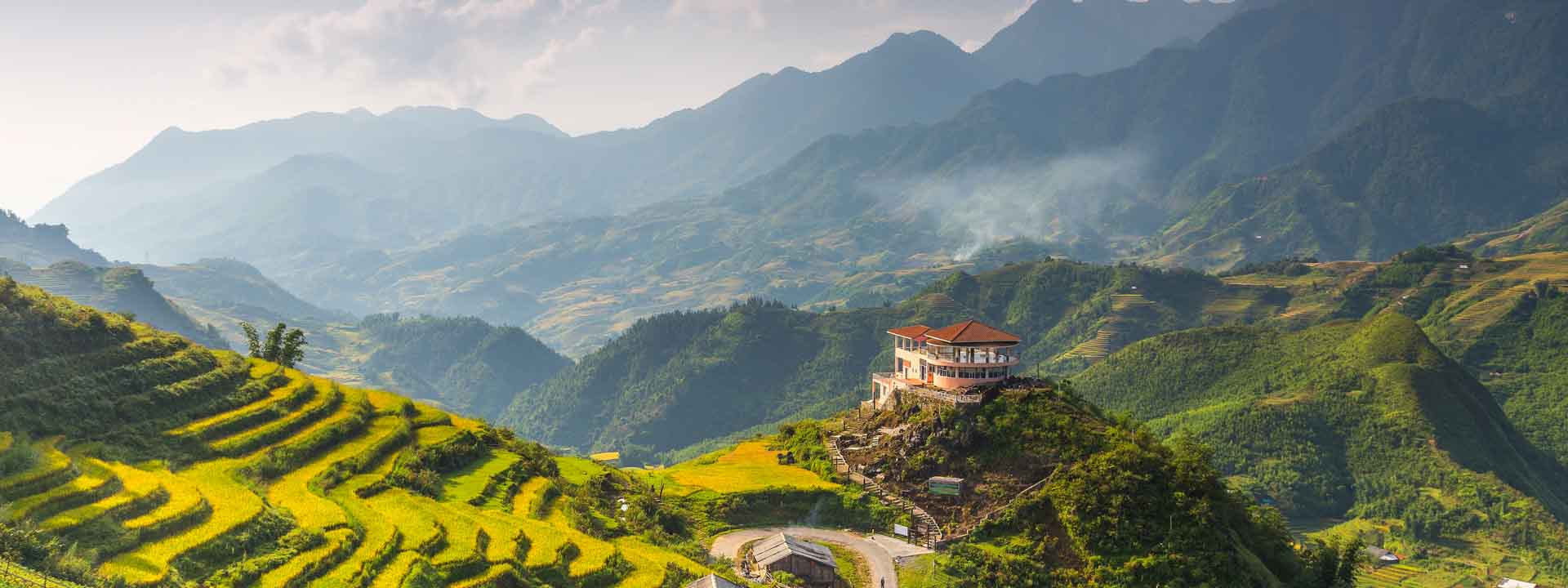
Vietnam Travel Planning Guide How to Plan the Perfect Trip with Itinerary, Budget, Tips and Best Experiences
Vietnam Travel Planning Guide: How to Plan a Seamless and Memorable Trip
Planning a trip to Vietnam can feel overwhelming at first. The country stretches over 1,600 kilometers, with diverse climates, landscapes, and cultural regions. For international travelers from the US, UK, Australia, and Canada, understanding how to structure your journey is essential to avoid fatigue and maximize experience.
This Vietnam travel planning guide is designed to simplify the process. It focuses on practical decisions, realistic expectations, and meaningful travel experiences, helping you build a trip that is both efficient and rewarding.
Understanding Vietnam’s Geography and Travel Flow
Vietnam is divided into three main regions: North, Central, and South. Each offers distinct experiences, and the distance between them requires careful planning.
Northern Vietnam is known for culture and landscapes. Hanoi, Ha Long Bay, and mountain regions provide a mix of history and nature.
Central Vietnam focuses on heritage and coastline. Cities like Hoi An, Da Nang, and Hue combine beaches with historical sites.
Southern Vietnam offers a more tropical and modern atmosphere. Ho Chi Minh City and the Mekong Delta highlight urban energy and river life.
Most travelers follow a north-to-south or south-to-north route. This logical flow reduces backtracking and helps manage travel time effectively.
Choosing the Right Travel Duration
The length of your trip will determine how much you can realistically experience.
A 7-day itinerary usually covers one region in depth, such as Northern Vietnam with Hanoi and Ha Long Bay.
A 10 to 12-day trip allows you to explore two regions, typically combining the north and central areas.
For a comprehensive experience, 14 days or more is ideal. This gives you enough time to travel from north to south while maintaining a comfortable pace.
Trying to fit too many destinations into a short timeframe is one of the most common mistakes. A well-paced itinerary always provides a better experience.
Building a Practical Vietnam Itinerary
A successful itinerary balances travel time, exploration, and rest.
Start by selecting your entry and exit points. Hanoi and Ho Chi Minh City are the main international gateways. Choosing different cities for arrival and departure helps avoid unnecessary return travel.
Next, identify 3 to 5 key destinations. These should reflect your interests, whether cultural, natural, or leisure-focused.
Allocate at least two to three nights per destination. This allows enough time to explore without rushing.
Include buffer time for unexpected delays or relaxation. Travel in Vietnam can be unpredictable, and flexibility improves overall comfort.
Best Time to Visit Vietnam
Vietnam’s climate varies significantly by region, so timing your visit requires careful consideration.
Spring and autumn are generally the best seasons, offering moderate temperatures and favorable conditions across most regions.
Northern Vietnam can be cool in winter and hot in summer. Central Vietnam experiences a rainy season that can affect coastal travel. Southern Vietnam remains warm year-round, with a distinct wet season.
Instead of trying to find a perfect time for the entire country, focus on optimizing conditions for your main destinations.

Budget Planning and Cost Expectations
Vietnam is known for its affordability, but costs can vary depending on travel style.
Budget travelers can expect low daily expenses by using local transport, street food, and basic accommodation.
Mid-range travelers benefit from excellent value, with comfortable hotels, private transfers, and guided tours at reasonable prices.
Luxury travel in Vietnam is still relatively affordable compared to Western standards. High-end hotels, cruises, and private experiences offer strong value.
Major expenses include international flights, accommodation, and domestic transport. Daily spending on food and activities is typically lower than in many other destinations.
Planning your budget in advance helps avoid surprises and allows better decision-making during the trip.
Visa and Entry Requirements
Visa requirements depend on your nationality and length of stay. Many travelers can apply for an e-visa online, which simplifies the process.
Ensure your passport is valid for at least six months beyond your travel dates. Immigration procedures are generally straightforward, but having printed documents can be helpful.
Checking official requirements before departure is essential, as policies may change.
Transportation: Getting Around Efficiently
Transportation plays a key role in travel planning.
Domestic flights are the fastest way to cover long distances. They are widely available and relatively affordable.
Private cars with drivers are ideal for short distances and day trips. They provide comfort, flexibility, and convenience.
Trains offer a scenic alternative, especially for routes along the coast. However, they may require more time and planning.
Ride-hailing apps are commonly used in major cities, providing an easy way to get around without language barriers.
Choosing the right transport options depends on your priorities, whether speed, comfort, or experience.
Accommodation Strategy
Where you stay can significantly impact your travel experience.
Central locations reduce travel time and make it easier to explore. In cities like Hanoi or Ho Chi Minh City, staying near major attractions improves convenience.
Hotels in Vietnam range from budget guesthouses to luxury resorts. Reading recent reviews and checking amenities is important.
For unique experiences, consider boutique hotels, heritage properties, or eco-lodges. These options often provide more character and personalized service.
Booking in advance is recommended during peak seasons to secure the best options.
Food and Dining Experiences
Vietnamese cuisine is a highlight of any trip. Planning your food experiences enhances the overall journey.
Street food offers authentic flavors and cultural insight. Choosing busy and well-reviewed vendors improves safety and quality.
Restaurants provide a more comfortable setting and often include English menus. They are a good option for travelers seeking convenience.
Food tours are highly recommended. They introduce local specialties and provide context that enhances appreciation.
Balancing street food and restaurant dining ensures both authenticity and comfort.
Health and Safety Preparation
Vietnam is generally safe, but preparation is essential.
Travel insurance is highly recommended. It should cover medical emergencies, cancellations, and unexpected situations.
Healthcare facilities in major cities are reliable, with international clinics available.
Staying hydrated, using sunscreen, and avoiding tap water are basic but important precautions.
Being aware of traffic conditions and keeping personal belongings secure helps prevent common issues.
Cultural Awareness and Travel Etiquette
Understanding local customs improves interactions and overall experience.
Vietnamese culture values respect and politeness. Simple gestures such as greeting with a smile and using a calm tone are appreciated.
Dress appropriately when visiting temples or religious sites. Modest clothing is expected.
Bargaining is common in markets, but it should be done respectfully.
Learning a few basic phrases can enhance communication and create positive connections.
Unique Experiences to Include in Your Plan
Vietnam offers a wide range of unique experiences that should be part of your itinerary.
A cruise in Ha Long Bay provides stunning scenery and a relaxed travel experience.
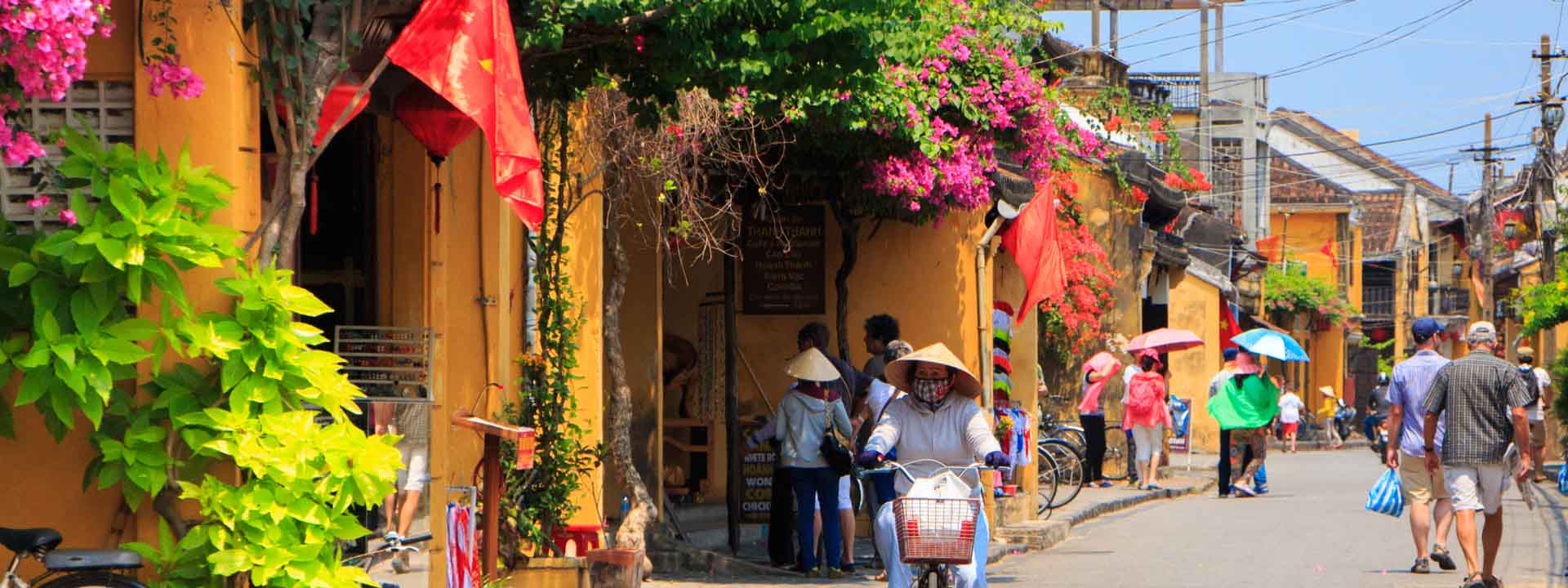
Exploring lantern-lit streets in Hoi An creates a memorable cultural moment.
Visiting local markets offers insight into daily life and traditions.
Participating in a cooking class allows hands-on engagement with Vietnamese cuisine.
These experiences add depth and authenticity to your journey.
Common Planning Mistakes to Avoid
One of the biggest mistakes is underestimating distances. Vietnam is long and narrow, and travel time can be significant.
Overloading the itinerary is another common issue. Too many destinations reduce enjoyment and increase fatigue.
Ignoring regional weather differences can affect plans. Researching conditions in advance is essential.
Relying entirely on last-minute bookings may limit options, especially during peak travel periods.
Avoiding these mistakes leads to a smoother and more enjoyable trip.
Final Thoughts
Planning a trip to Vietnam requires thoughtful preparation, but the rewards are significant. The country offers a rich combination of culture, landscapes, and experiences that can be tailored to different travel styles.
By focusing on realistic pacing, practical logistics, and meaningful activities, you can create a journey that is both efficient and deeply satisfying.
This Vietnam travel planning guide provides a structured approach to help you make informed decisions. With the right preparation, your trip to Vietnam will not only meet expectations but exceed them in unexpected and memorable ways.

-
Discover Vietnam luxury culinary experiences with private street food tours, Michelin dining, luxury ...
-
Discover the best Vietnam wellness retreats luxury experiences with beachfront spas, mountain hideaw ...
-
Discover the best Vietnam luxury honeymoon packages with private cruises, romantic beach resorts, we ...


Comment