

Luxury Travel Blog
 Travel Tips & Insights
 Culture, Tradition & Cuisine
OUR CLIENTS' REVIEWS

Ms Lena Karento

Mr Michael & Ms Jenny

M Alain Dubois
RECOMMANDED ON

OUR VISITORS' GALLERY


OUR COLLECTION OF VIDEOS


Vietnam Travel FAQ Everything You Need to Know Before Visiting Vietnam with Tips, Costs, Visa, Safety and Itinerary
Vietnam Travel FAQ: Everything You Need to Know Before Visiting
Planning a trip to Vietnam often comes with many practical questions. From visas and costs to safety and transportation, travelers want clear and reliable answers before making decisions. This Vietnam Travel FAQ is designed to address the most common concerns from international visitors, especially those from the US, UK, Australia, and Canada.
Instead of general advice, this guide focuses on practical, experience-based insights to help you plan efficiently and travel with confidence.
Do I Need a Visa to Travel to Vietnam?
Most travelers will need a visa to enter Vietnam, although the process has become significantly easier in recent years.
The most common option is the e-visa, which can be applied for online before departure. It typically allows a stay of up to 30 or 90 days, depending on your nationality and selection.
Some countries benefit from visa exemptions for short stays. However, these exemptions are limited in duration and may not suit longer trips.
To avoid complications, apply for your visa in advance and ensure your passport is valid for at least six months beyond your travel dates.
What Is the Best Time to Visit Vietnam?
Vietnam’s climate varies by region, so there is no single perfect time for the entire country.
Spring and autumn are generally considered the best seasons, offering moderate temperatures and relatively stable weather across most regions.
Northern Vietnam can be cool in winter and hot in summer. Central Vietnam may experience heavy rain during certain months, while Southern Vietnam remains warm year-round with seasonal rainfall.
The key is to plan your trip based on the specific regions you intend to visit rather than trying to match the entire country.
Is Vietnam Safe for Tourists?
Vietnam is widely regarded as a safe destination for international travelers. Violent crime is rare, and most visits are trouble-free.
The main concerns are minor issues such as petty theft, particularly in crowded areas. Keeping your belongings secure and staying aware of your surroundings is usually sufficient.
Traffic can be challenging, especially in major cities. Crossing the street requires patience and confidence, but it becomes easier with experience.
Overall, with basic precautions, Vietnam is a safe and welcoming destination.
How Much Does It Cost to Travel in Vietnam?
Vietnam offers excellent value for money, making it accessible to a wide range of budgets.
Budget travelers can spend relatively little by using local transport and eating street food. Mid-range travelers benefit from high-quality hotels and services at reasonable prices.
Luxury travel is also affordable compared to Western standards. High-end resorts, private tours, and premium experiences are available at competitive rates.
Daily expenses vary depending on travel style, but Vietnam remains one of the most cost-effective destinations in Asia.
How Do I Get Around Vietnam?
Transportation in Vietnam is diverse and generally convenient.
Domestic flights are the fastest way to travel between major regions. They are widely available and save significant time.
Private cars with drivers are recommended for comfort and flexibility, especially for day trips or transfers.
Trains offer scenic journeys, particularly along the coast, but may require more time.
In cities, ride-hailing apps are widely used and provide a simple way to navigate without language barriers.
Choosing the right combination of transport options helps optimize both time and comfort.
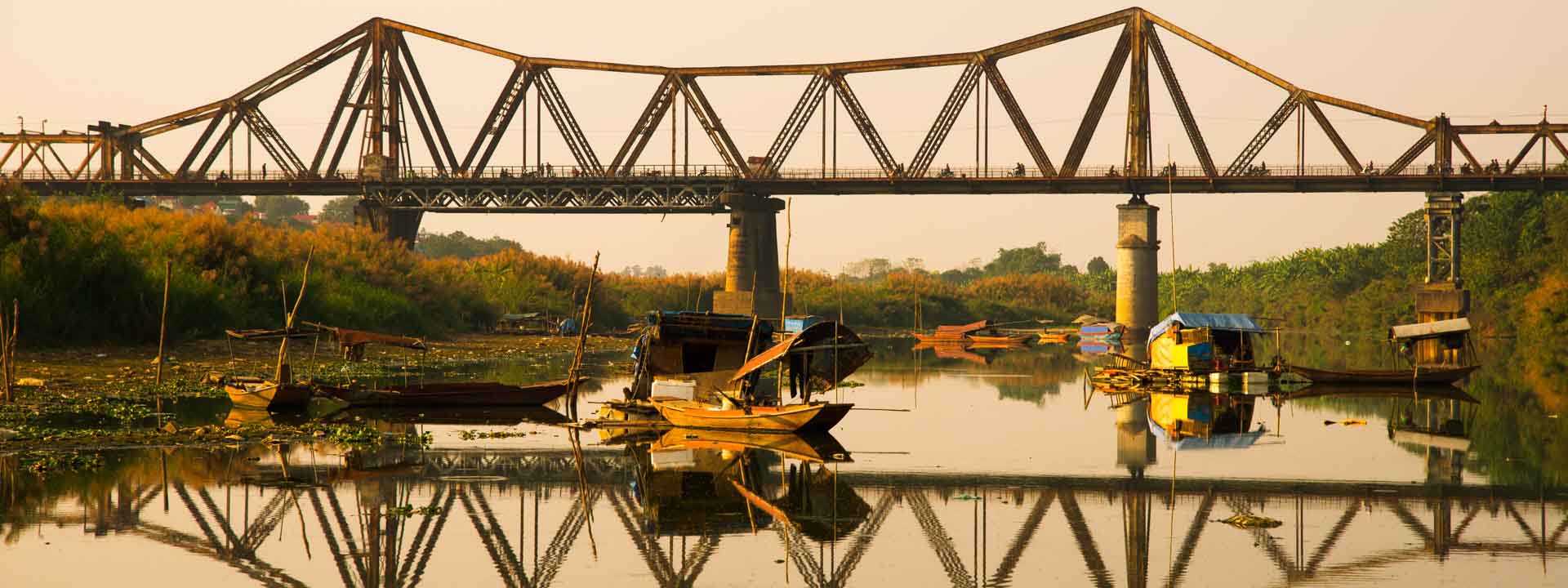
What Are the Must-Visit Places in Vietnam?
Vietnam offers a wide range of destinations, each with its own character.
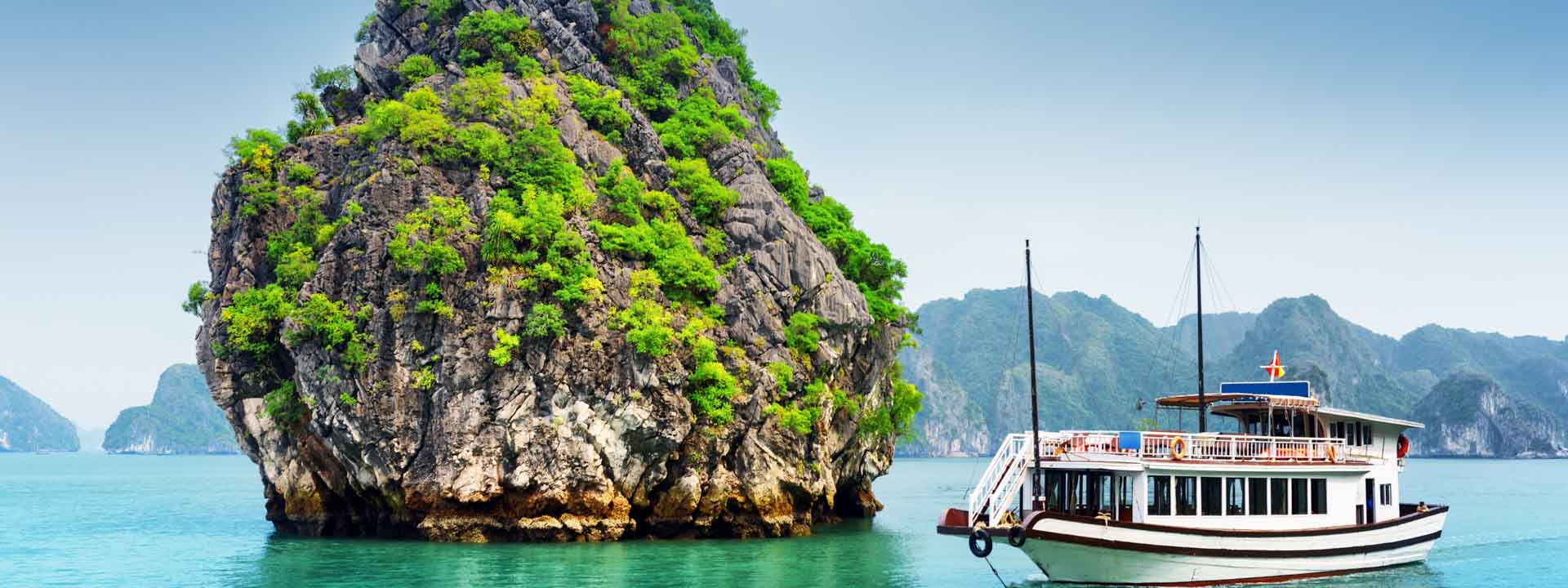
Hanoi provides cultural depth and historical atmosphere. Ha Long Bay offers dramatic natural scenery and cruise experiences.
Hoi An is known for its charming old town and relaxed pace. Da Nang combines beaches with modern convenience.
Hue highlights imperial history, while Ho Chi Minh City showcases urban energy and modern life.
For nature, destinations such as mountainous regions or river deltas provide unique perspectives on the country.
Most travelers combine several of these destinations to experience Vietnam’s diversity.
How Many Days Do I Need in Vietnam?
The ideal length of stay depends on how much you want to explore.
A 7-day trip is suitable for focusing on one region. A 10 to 12-day itinerary allows you to cover two regions comfortably.
For a comprehensive journey from north to south, 14 days or more is recommended.
Trying to see too much in a short time can reduce the quality of the experience, so prioritizing key destinations is important.
Is Street Food Safe in Vietnam?
Street food is one of the highlights of traveling in Vietnam, and it is generally safe when approached carefully.
Choose vendors that are busy and have a high turnover of customers. Freshly prepared food is usually a good sign.
Avoid raw or undercooked items if you are unsure, and stick to bottled water instead of tap water.
Many travelers find that street food provides some of the most authentic and memorable culinary experiences in Vietnam.
What Should I Pack for Vietnam?
Packing depends on the season and regions you plan to visit.
Lightweight clothing is essential due to the warm climate. Comfortable walking shoes are important for exploring cities and attractions.
A light jacket may be needed in cooler northern areas or air-conditioned spaces.
Sun protection, including sunscreen and a hat, is recommended. Basic medications and personal essentials should also be included.
Packing smartly helps ensure comfort throughout the trip.
Can I Use Credit Cards in Vietnam?
Credit cards are widely accepted in hotels, restaurants, and larger shops, especially in major cities.
However, cash is still important for small businesses, local markets, and street food vendors.
ATMs are widely available, making it easy to withdraw local currency when needed.
Carrying a mix of payment options provides flexibility and convenience.
Do People Speak English in Vietnam?
English is commonly spoken in the tourism industry, particularly in hotels, restaurants, and tour services.
In more local areas, English may be limited, but communication is usually still possible through basic phrases or translation apps.
Learning a few simple Vietnamese words can enhance interactions and show respect for the local culture.
What Cultural Etiquette Should I Be Aware Of?
Respect and politeness are central to Vietnamese culture.
Dress modestly when visiting temples or religious sites. Removing shoes before entering certain places is also common.
Avoid loud or confrontational behavior, as maintaining harmony is valued.
Simple gestures such as greeting with a smile and being patient go a long way in creating positive interactions.
Is Travel Insurance Necessary?
Travel insurance is highly recommended for any trip to Vietnam.
It provides coverage for medical emergencies, trip cancellations, and unexpected events.
Healthcare in major cities is reliable, but having insurance ensures access to quality services without financial stress.
Considering the relatively low cost of insurance compared to potential risks, it is a practical investment.
What Unique Experiences Should I Not Miss?
Vietnam offers many unique experiences that go beyond typical sightseeing.
A cruise through Ha Long Bay provides breathtaking scenery in a relaxed setting.
Exploring local markets offers insight into daily life and culture.
Participating in a cooking class allows hands-on engagement with Vietnamese cuisine.
Walking through historic towns or enjoying traditional performances adds cultural depth to your trip.
These experiences create lasting memories and a deeper connection to the destination.
Common Travel Mistakes to Avoid
One of the most frequent mistakes is overplanning. Trying to visit too many places can lead to fatigue.
Underestimating travel distances is another issue. Vietnam’s geography requires careful time management.
Ignoring weather differences between regions can also affect plans.
Relying entirely on last-minute bookings may limit options and increase costs.
Avoiding these mistakes helps ensure a smoother and more enjoyable journey.
Final Thoughts
Vietnam is a destination that rewards thoughtful planning and curiosity. By understanding the basics and preparing in advance, travelers can avoid common challenges and focus on the experience itself.
This Vietnam Travel FAQ provides clear, practical answers to help you plan with confidence. Whether you are visiting for culture, food, nature, or relaxation, Vietnam offers a journey that is both enriching and memorable.

-
Explore all-inclusive luxury Vietnam tours with private guides, 5-star resorts, luxury cruises, gour ...
-
Discover Vietnam premium travel packages with luxury cruises, private tours, boutique resorts, cultu ...
-
Discover luxury Vietnam holidays for European travelers with tailor-made tours, premium cruises, bou ...

Comment