

Luxury Travel Blog
 Travel Tips & Insights
 Culture, Tradition & Cuisine
OUR CLIENTS' REVIEWS

Ms Lena Karento

Mr Michael & Ms Jenny

M Alain Dubois
RECOMMANDED ON

OUR VISITORS' GALLERY


OUR COLLECTION OF VIDEOS

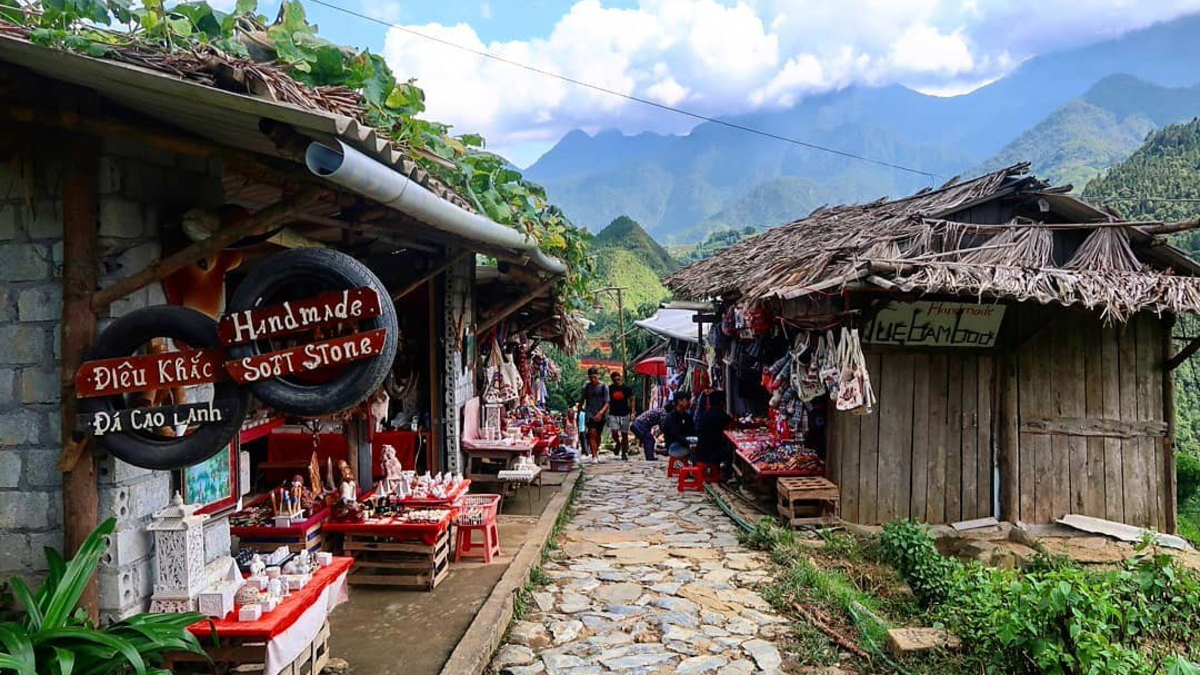
Vietnam Mountain Travel Guide, Best Trekking Routes, Sapa, Ha Giang Loop, Pu Luong & Hidden Highlands Itinerary
Vietnam Mountain Travel Guide
Vietnam’s mountains are where the country becomes truly unforgettable. Beyond the busy cities and famous beaches lies a landscape shaped by mist, rice terraces, limestone peaks, and communities that have preserved their traditions for generations. For travelers seeking depth, authenticity, and real connection, this is where Vietnam delivers its most powerful experiences.
This Vietnam mountain travel guide is built for international travelers who want clarity, not clichés. It focuses on where to go, when to go, how to plan, and what actually matters on the ground.
Why Mountain Travel in Vietnam Is Different
Mountain travel in Vietnam is not just about scenery. It is about immersion.
In many destinations, trekking routes feel staged. In Vietnam, they still feel lived-in. You are not walking through a curated landscape, but through real villages, working rice fields, and daily life. That difference changes the entire experience.
Another key advantage is accessibility. Within a few hours from Hanoi, you can reach regions that feel completely remote. This makes Vietnam one of the few places where authentic mountain travel does not require complex logistics.
When to Visit the Mountains
Timing will define your experience more than anything else.
The best periods are:
September to early November
March to May
During these months, the weather is stable, skies are clearer, and trekking conditions are ideal.
September and October are especially valuable because rice terraces turn golden during harvest season. This is when landscapes are at their most photogenic.
Avoid peak rainy months from June to August if your focus is trekking. Trails become slippery and visibility drops. Winter from December to February can be cold and foggy, especially in higher elevations.
The Best Mountain Destinations in Vietnam
Sapa
Sapa is the most accessible and structured mountain destination in Vietnam, but it is often misunderstood.
The town itself is busy and commercial. The real experience begins when you leave it behind. Multi-day treks take you into valleys where terraced rice fields stretch across hillsides and ethnic minority communities maintain traditional lifestyles.
Sapa is ideal if you want:
Well-organized trekking routes
A wide range of accommodation options
A balance between comfort and exploration
To avoid crowds, focus on longer treks into less-visited villages rather than short day tours.
Ha Giang
Ha Giang is the most dramatic mountain region in Vietnam.
The Ha Giang Loop is not just a route. It is a journey through some of the most striking landscapes in Southeast Asia. Sharp mountain ridges, deep valleys, and winding passes create a sense of scale that is hard to match elsewhere.
This region is best for:
Adventure travelers
Motorbike journeys
Off-the-beaten-path exploration
The experience here is less about comfort and more about raw beauty and authenticity.
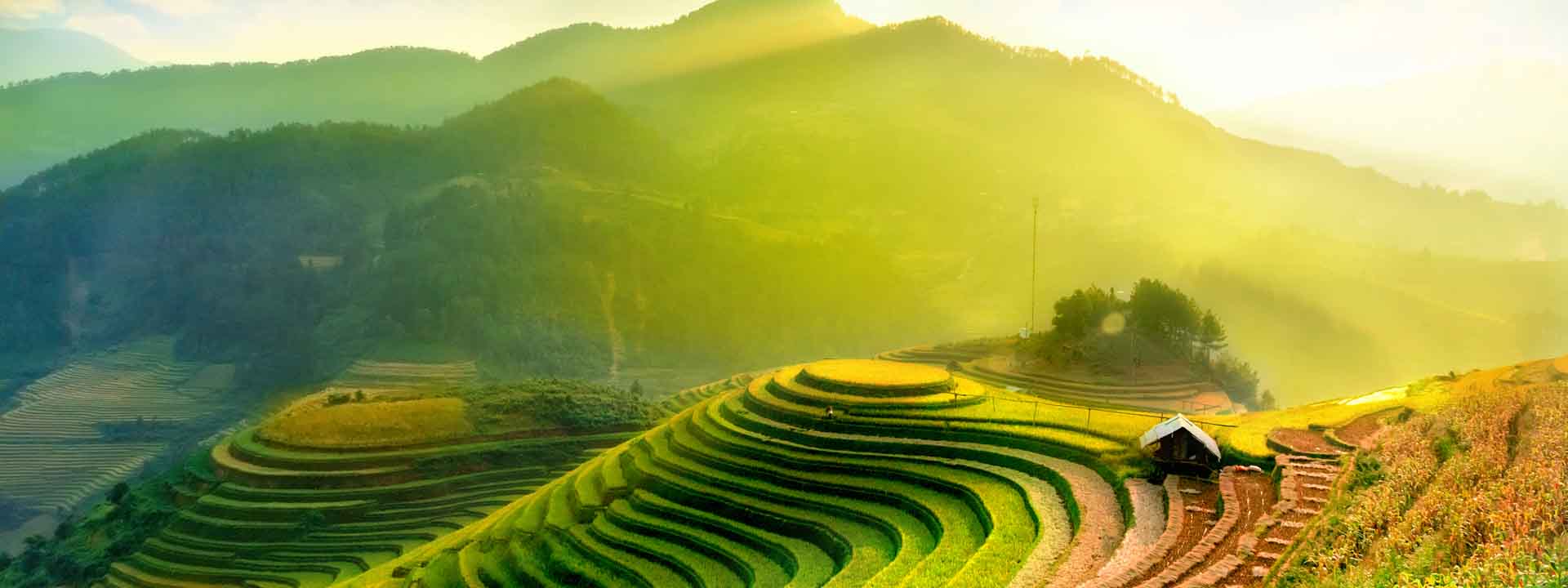
Pu Luong Nature Reserve
Pu Luong offers a quieter, more refined alternative to Sapa.
Located about four hours from Hanoi, it combines rice terraces, forest trails, and traditional villages without the intensity of major tourist hubs. The pace here is slower, and the atmosphere is more relaxed.
Pu Luong is ideal if you want:
Soft trekking with less physical demand
Boutique eco-lodges with scenic views
A peaceful environment without crowds
It is one of the most balanced mountain destinations in Vietnam.
Mai Chau
Mai Chau is often overlooked, but it plays an important role in a well-designed itinerary.
The terrain is gentler, with wide valleys and traditional stilt houses. It is not a hardcore trekking destination, but it offers cultural immersion and light outdoor activities.
Mai Chau works best as:
A short escape from Hanoi
A transition stop before deeper mountain regions
A destination for cycling and relaxed exploration
Cao Bang
Cao Bang remains one of Vietnam’s most underrated mountain regions.
It offers a mix of karst landscapes, rivers, and rural life with minimal tourism infrastructure. The highlight is Ban Gioc Waterfall, but the surrounding region is equally compelling.
Cao Bang is best suited for:
Experienced travelers
Independent exploration
Those seeking truly remote environments
Types of Mountain Experiences
Vietnam’s mountains are not one-dimensional. The experience varies depending on how you travel.
Trekking is the core activity. Routes range from easy half-day walks to multi-day journeys through remote areas.
Motorbike travel is equally important, especially in Ha Giang. The road itself becomes the experience, offering constant views and spontaneous stops.
Cultural immersion is what makes Vietnam unique. Staying in homestays allows you to understand daily life, not just observe it.
Photography is another major highlight. Light changes quickly in the mountains, creating constantly shifting landscapes.
A Practical 10-Day Mountain Itinerary
A well-structured itinerary avoids rushing and maximizes variety.
- Day 1–2: Arrival in Hanoi, preparation and rest
- Day 3–4: Travel to Mai Chau or Pu Luong for light trekking
- Day 5–7: Transfer to Sapa for deeper trekking experience
- Day 8–10: Explore Ha Giang Loop or return to Hanoi
This structure allows you to experience different mountain environments without overextending travel time.
What Trekking in Vietnam Is Really Like
Trekking conditions in Vietnam are moderate but unpredictable.
Trails are not always clearly marked. Weather can change quickly. Terrain varies from flat paths to steep, muddy sections.
This is why local guides are highly recommended. They provide navigation, cultural context, and access to places you would not find independently.
Expect:
Uneven paths and natural terrain
Frequent interaction with local communities
A pace that depends on weather and conditions
This is not luxury trekking. It is real travel.
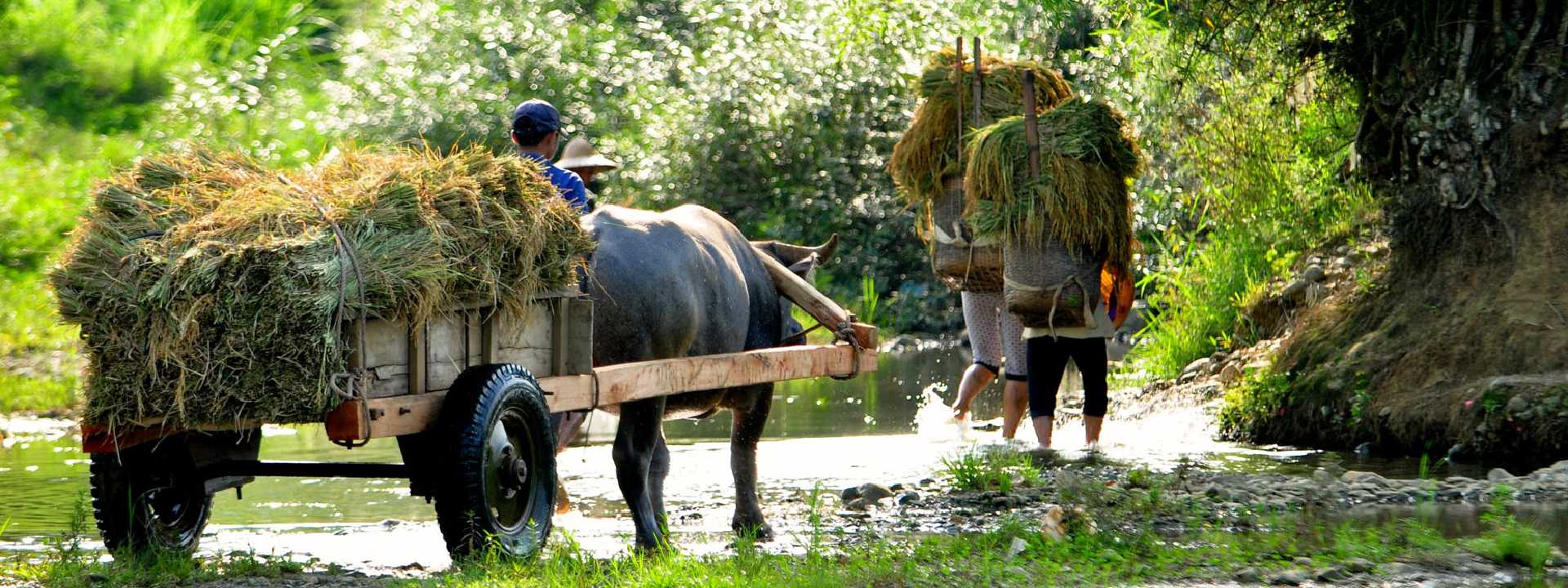
Accommodation in Mountain Regions
Accommodation shapes your experience more than most travelers expect.
Homestays offer the most authentic experience. You stay with local families, eat traditional meals, and participate in daily life. Comfort is basic but meaningful.
Eco-lodges provide a middle ground. They combine comfort with natural surroundings and often feature panoramic views.
In Sapa, higher-end resorts offer luxury options, but they are more detached from local life.
Choosing the right type of stay depends on your priorities.
Transportation and Access
Most mountain destinations are reached from Hanoi.
Travel options include:
Private car for comfort and flexibility
Sleeper bus for budget travel
Train combined with transfer for Sapa
Travel times typically range from 4 to 8 hours.
For Ha Giang, many travelers choose guided motorbike tours with drivers, which improves safety and allows you to focus on the experience.
Food in the Mountains
Food in Vietnam’s mountains is simple but deeply satisfying.
Meals are based on local ingredients, often including rice, vegetables, herbs, and small portions of meat. Flavors are fresh and balanced rather than complex.
Eating in homestays is a highlight. Meals are shared, creating a sense of connection that goes beyond typical dining experiences.
Safety and Responsible Travel
Vietnam’s mountain regions are safe, but they require awareness.
Key principles include:
Respect local customs and traditions
Avoid traveling in extreme weather conditions
Follow guidance from local hosts and guides
Minimize environmental impact
Responsible travel is not optional in these regions. It is essential to preserving their authenticity.
What to Pack
Packing correctly will improve your experience significantly.
Bring:
Comfortable hiking shoes
Lightweight clothing for layering
Rain protection
A small daypack
Basic personal essentials
Avoid overpacking. Mobility is more important than carrying unnecessary items.
Final Perspective
Vietnam mountain travel is not about checking destinations off a list. It is about entering a different rhythm.
You slow down. You walk more. You observe more. You connect more.
The landscapes are impressive, but what stays with you is the feeling of being somewhere real. A place where tourism has not replaced daily life, but simply passes through it.
For travelers who want something deeper than a standard itinerary, Vietnam’s mountains offer one of the most rewarding journeys in Vietnam.

-
Discover Vietnam luxury culinary experiences with private street food tours, Michelin dining, luxury ...
-
Discover the best Vietnam wellness retreats luxury experiences with beachfront spas, mountain hideaw ...
-
Discover the best Vietnam luxury honeymoon packages with private cruises, romantic beach resorts, we ...


Comment