

Luxury Travel Blog
 Travel Tips & Insights
 Culture, Tradition & Cuisine
OUR CLIENTS' REVIEWS

Ms Lena Karento

Mr Michael & Ms Jenny

M Alain Dubois
RECOMMANDED ON

OUR VISITORS' GALLERY





OUR COLLECTION OF VIDEOS

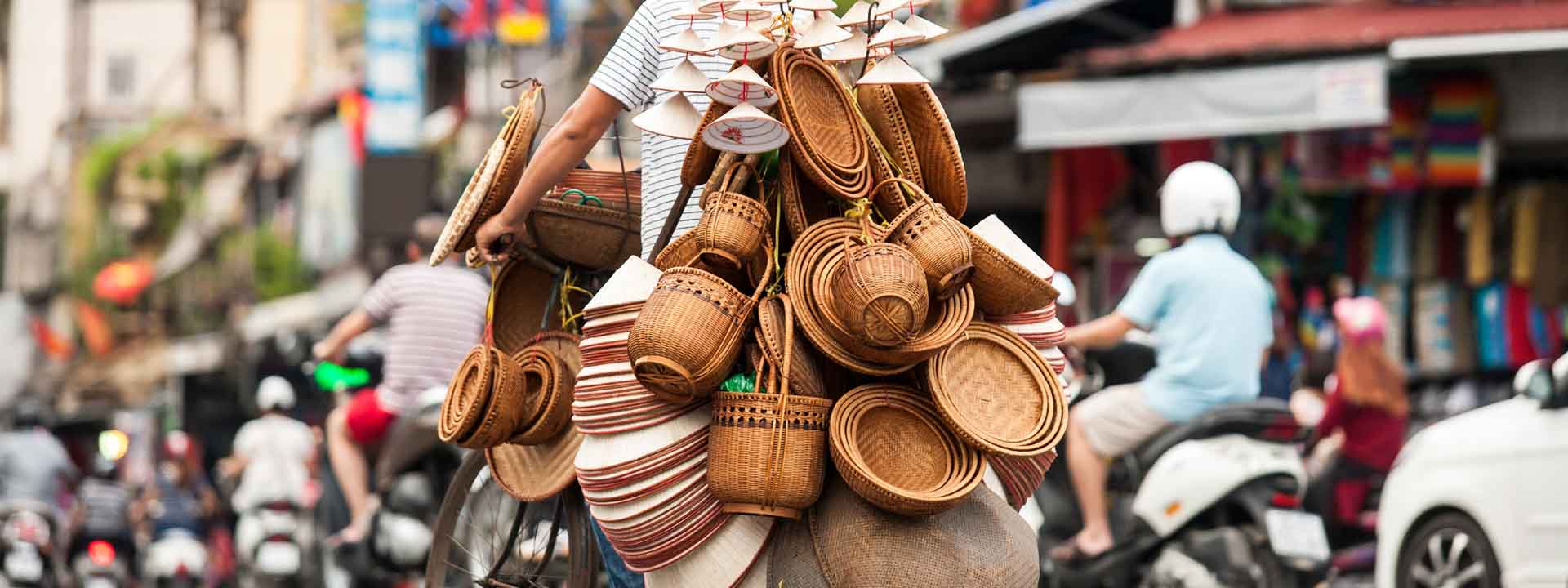
Vietnam Currency Guide Money, Exchange Rates, Cash vs Card, ATMs and Smart Payment Tips for Travelers
Vietnam Currency Guide: How to Manage Money Smartly While Traveling
Understanding how money works in Vietnam can make your trip significantly smoother. While the country is modernizing quickly, it still operates on a hybrid system where cash remains essential, especially outside major urban centers like Hanoi and Ho Chi Minh City.
This Vietnam currency guide is designed to help you avoid confusion, reduce unnecessary fees, and manage your travel budget efficiently, whether you are exploring the Old Quarter, cruising in Ha Long Bay, or relaxing in Hoi An.
The Basics: What Currency Is Used in Vietnam
The official currency is the Vietnamese Dong (VND). It is a non-convertible currency, which means you typically cannot exchange it outside Vietnam.
A few key characteristics:
The numbers are large due to inflation history
There are no coins in circulation
Banknotes range from small paper notes to durable polymer bills
You will quickly notice that even a simple meal can cost tens of thousands of dong. This is normal and not as expensive as it looks.
Understanding Vietnamese Dong Values
For most international travelers, the biggest challenge is adjusting to the number system.
Typical conversion mindset:
- 10,000 VND is a small expense
- 100,000 VND is a casual meal
- 1,000,000 VND is a moderate daily budget
A practical tip: mentally remove three zeros to estimate value. It helps you make quick decisions when paying.
Cash Is Still King in Vietnam
Despite the rise of digital payments, cash remains the dominant form of payment.
You will need cash for:
- Street food
- Local markets
- Small shops
- Taxis and motorbike drivers
- Rural destinations like Mekong Delta or Ha Giang
Even in cities like Hanoi, many small businesses prefer cash.
Credit Cards: Where They Work (and Where They Don’t)
Cards are widely accepted in:
- Hotels
- Upscale restaurants
- Shopping malls
- Tour agencies
In areas like Ho Chi Minh City, you can rely on cards for most mid-range and luxury services.
However, expect limitations:
Small cafes and local eateries rarely accept cards
Some places add a 2–3 percent surcharge
Visa and Mastercard are the most commonly accepted.
ATMs in Vietnam: Easy but Not Always Equal
ATMs are widely available in cities and tourist areas.
Best practices:
- Use ATMs attached to banks
- Withdraw larger amounts to reduce fees
- Check your bank’s international withdrawal charges
In tourist hubs like Hoi An or near Ha Long Bay, ATMs are easy to find. In remote areas, availability drops quickly.
Currency Exchange: Where and How to Do It
You have three main options:
- Airport exchange counters
- Banks
- Gold shops (popular in Vietnam)
Gold shops often offer better rates than airports or hotels, especially in central districts of Hanoi.
Important tips:
- Bring clean, undamaged USD or EUR
- Avoid exchanging large amounts at airports
- Compare rates before committing
Should You Bring Cash or Withdraw Locally?
The best approach is a combination.
Bring:
A small amount of USD or EUR as backup
Rely on:
ATM withdrawals for daily spending
This strategy minimizes risk and keeps your cash flow flexible.
Mobile Payments and Digital Wallets
Vietnam is rapidly adopting digital payments, but these systems are mostly local.
Popular apps include: Momo, ZaloPay, VNPay
These are not always accessible to foreign travelers, but QR payments are becoming more common in urban areas.
Still, do not rely entirely on digital payments.
How Much Money Should You Budget?
Your budget depends on your travel style.
Daily spending estimates:
- Budget travel: 700,000 to 1,200,000 VND
- Mid-range travel: 1,500,000 to 3,000,000 VND
- Luxury travel: 3,500,000 VND and above
In cities like Hanoi, you can enjoy excellent value compared to other Asian destinations.
Tipping Culture in Vietnam
Tipping is not mandatory, but it is appreciated.
Common practices:
- Restaurants: Not required, but rounding up is common
- Guides and drivers: Small tips are appreciated
- Hotels: Optional for good service
In high-end settings, especially in Ho Chi Minh City, tipping is becoming more common.
Common Money Mistakes to Avoid
Confusing banknotes with similar colors
Paying with large bills for small purchases
Not checking change carefully
Carrying too much cash at once
Always double-check your notes before handing them over, especially in busy areas.
Safety Tips for Handling Money
Vietnam is generally safe, but petty theft can occur.
Use a crossbody bag or money belt
Avoid displaying large amounts of cash
Separate your money into different places
In crowded areas like markets in Hanoi, stay aware of your surroundings.
Paying for Tours and Big Purchases
For larger expenses such as cruises or private tours:
Use credit cards when possible
Confirm all fees in advance
Keep receipts and confirmations
For example, booking a cruise in Ha Long Bay often allows card payment, but smaller operators may prefer bank transfer or cash.
Exchange Rate Awareness
Exchange rates fluctuate, but not dramatically in short periods.
Tips:
Check rates before exchanging
Avoid unofficial street exchanges
Use reliable currency apps for updates
Understanding the approximate value of VND will help you avoid overpaying.
Shopping and Bargaining
Bargaining is common in markets, but not in fixed-price stores.
- Where to bargain: Local markets, Street vendors
- Where not to bargain: Shopping malls, Restaurants, Hotels
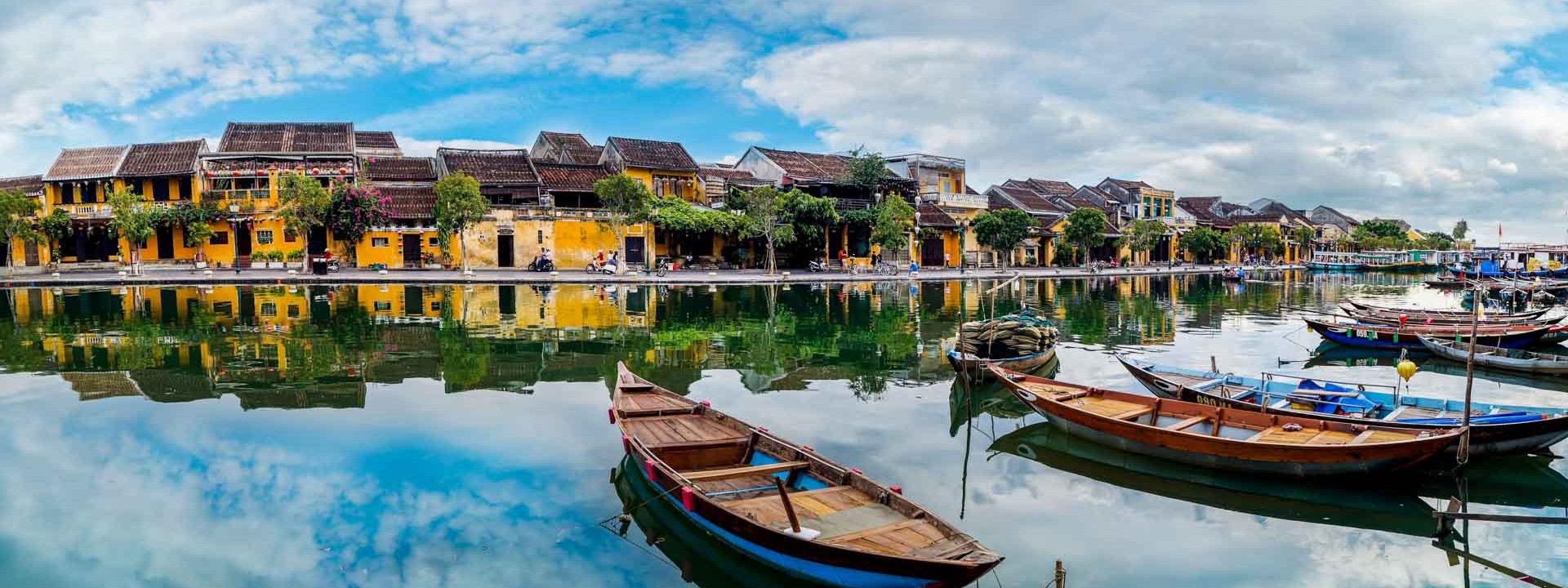
In tourist areas like Hoi An, prices may start higher, so polite negotiation is expected.
Rural vs Urban Money Use
Urban areas:
- More ATMs
- Card acceptance increasing
- Higher prices
Rural areas:
- Cash only
- Limited ATM access
- Lower costs
If you plan to visit places like Ha Giang, always carry enough cash.
Final Thoughts: Travel Smart with Your Money
Managing money in Vietnam is not complicated once you understand the basics. The key is balance.
- Use cash for daily expenses
- Use cards for larger payments
- Withdraw money strategically
- Stay aware of your surroundings
Whether you are enjoying street food in Hanoi, exploring cultural sites in Hue, or relaxing by the river in Hoi An, smart money management allows you to focus on the experience rather than the logistics.
Vietnam remains one of the most affordable and rewarding destinations in Asia. With the right approach to currency and payments, your journey will be smoother, safer, and far more enjoyable.

-
Explore all-inclusive luxury Vietnam tours with private guides, 5-star resorts, luxury cruises, gour ...
-
Discover Vietnam premium travel packages with luxury cruises, private tours, boutique resorts, cultu ...
-
Discover luxury Vietnam holidays for European travelers with tailor-made tours, premium cruises, bou ...

Comment