

Luxury Travel Blog
 Travel Tips & Insights
 Culture, Tradition & Cuisine
OUR CLIENTS' REVIEWS

Ms Lena Karento

Mr Michael & Ms Jenny

M Alain Dubois
RECOMMANDED ON

OUR VISITORS' GALLERY


OUR COLLECTION OF VIDEOS

Top 10 Places to Visit in Vietnam Must-See Destinations, Travel Tips, and Real Experiences Luxury Vietnam Tour
Top 10 Places to Visit in Vietnam: A Practical Guide for First-Time Travelers
Vietnam offers an extraordinary range of travel experiences within a relatively compact geography. From limestone karst landscapes to vibrant cities and cultural heritage sites, the country rewards both short visits and extended journeys.
This guide highlights the top 10 places to visit in Vietnam, focusing on real experiences, practical travel value, and how each destination fits into a well-planned itinerary.
1. Hanoi – Cultural Depth and Everyday Life
Hanoi is the cultural heart of Vietnam and often the starting point for international travelers. The city blends centuries-old traditions with modern urban energy.
The Old Quarter is where most visitors spend their time. Narrow streets, local markets, and street food stalls create an immersive environment. Walking here is not just sightseeing, it is observing daily life in motion.
Key experiences include early morning walks around Hoan Kiem Lake, trying local dishes like pho and bun cha, and visiting historical sites such as the Temple of Literature.
For first-time visitors, two to three days in Hanoi provides a strong cultural introduction before heading to other regions.
2. Ha Long Bay – Iconic Natural Landscape
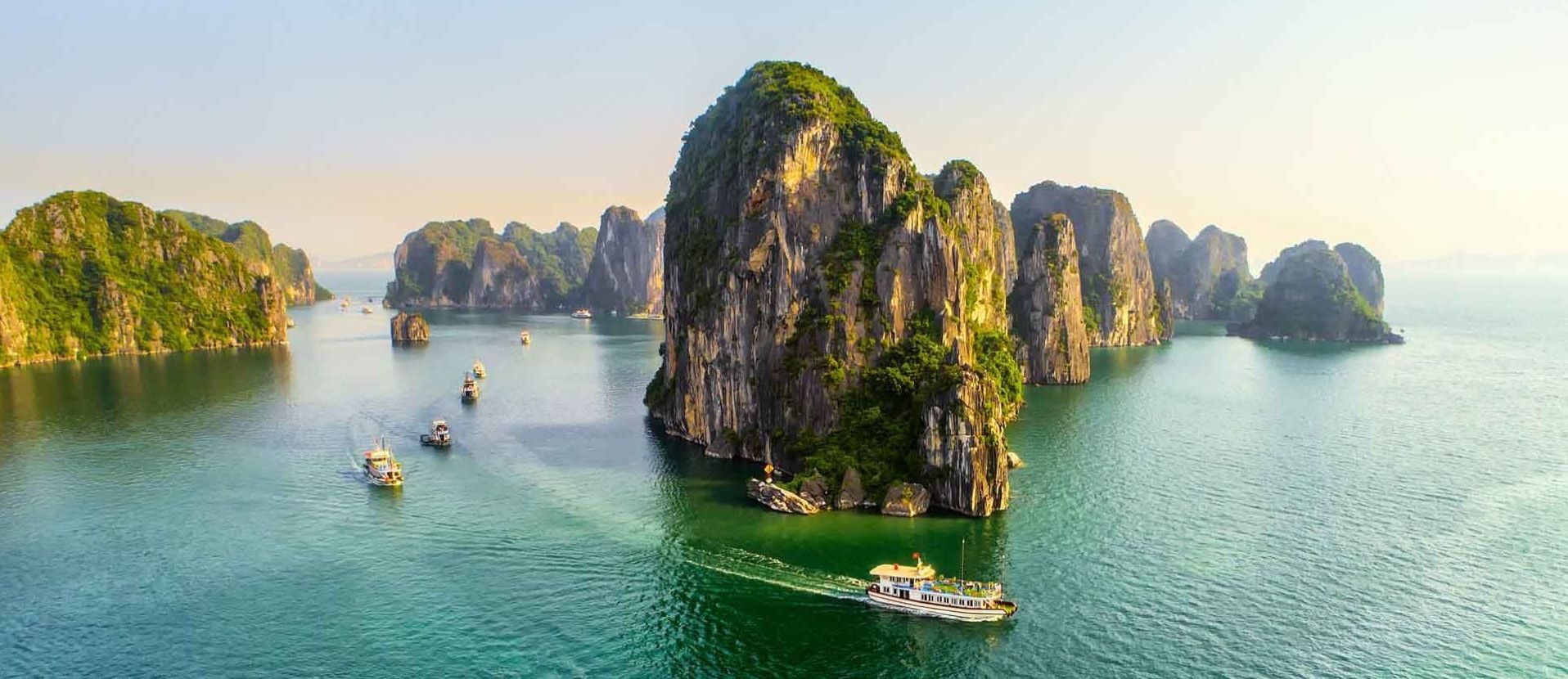
Ha Long Bay is one of the most recognizable destinations in Southeast Asia. Thousands of limestone islands rise from emerald waters, creating a dramatic and unique seascape.
The best way to experience Ha Long Bay is through an overnight cruise. This allows time for kayaking, cave exploration, and quiet moments at sunrise or sunset.
While day trips are possible, they often feel rushed. Spending at least one night provides a more complete and relaxed experience.
Travelers should choose cruise operators carefully, prioritizing safety, itinerary quality, and service.
3. Sapa – Trekking and Ethnic Culture
Located in northern Vietnam, Sapa offers mountain landscapes, terraced rice fields, and opportunities to connect with ethnic minority communities.
Trekking is the main activity. Routes vary from easy walks to multi-day hikes through villages and valleys.
The best time to visit depends on your priorities. Clear skies and cooler weather are typical from September to November and March to May.
For a more authentic experience, consider staying in a homestay rather than a large hotel.
4. Ninh Binh – Inland Ha Long Bay
Often described as “Ha Long Bay on land,” Ninh Binh offers limestone formations, rivers, and rice fields without the crowds.
Boat trips through Tam Coc or Trang An provide a peaceful way to explore the landscape. Cycling between villages and temples adds another layer to the experience.
Ninh Binh is easily accessible from Hanoi and works well as a one or two-day trip.
For travelers seeking nature without long travel times, this is one of the best destinations in Vietnam.
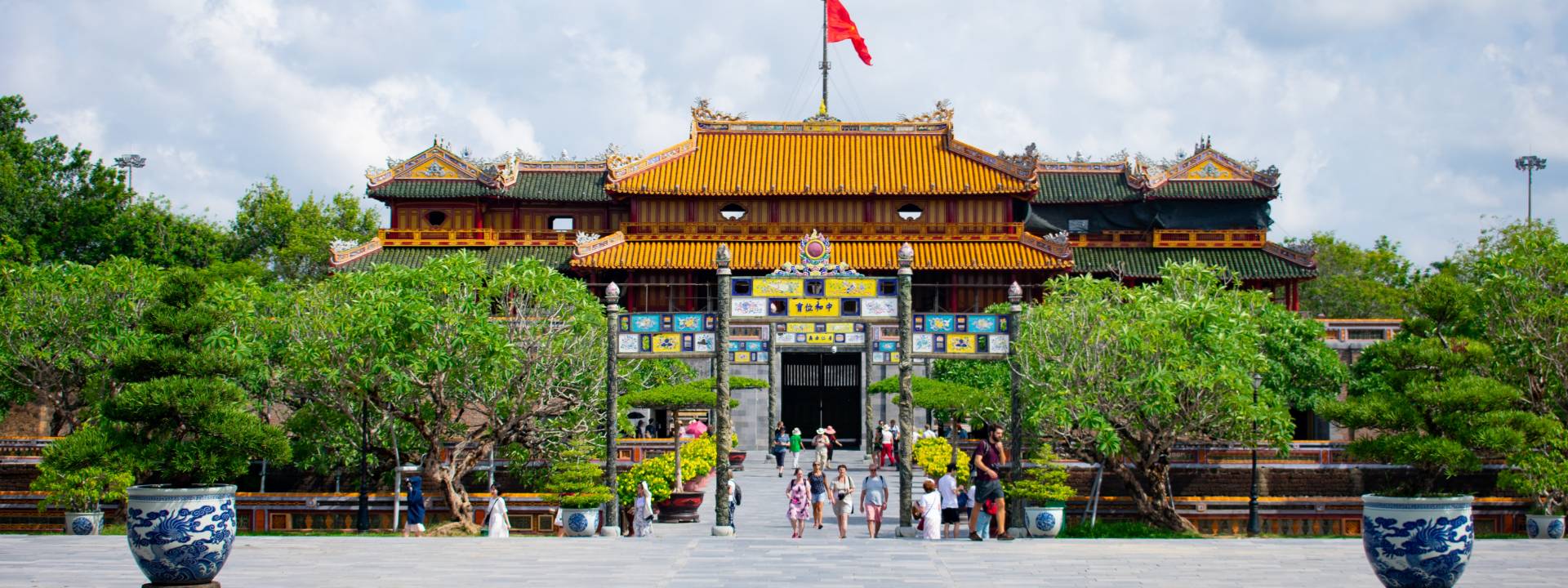
5. Hue – Imperial History and Heritage
Hue was once the imperial capital of Vietnam, and its historical significance is still visible today.
The Imperial City is the main attraction, offering insight into royal life and architecture. Tombs of former emperors are located along the Perfume River and provide a quieter, reflective experience.
Hue is also known for its cuisine, which includes refined dishes influenced by royal traditions.
Two days is usually enough to explore the main highlights.
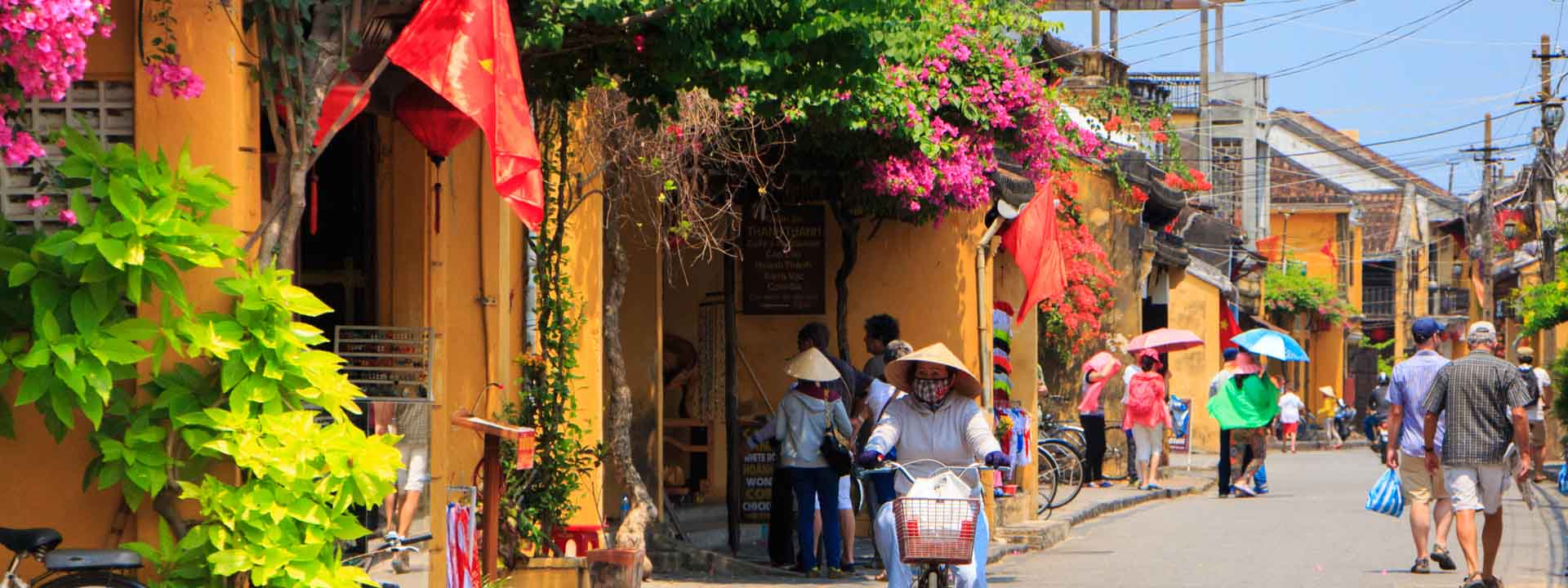
6. Hoi An – Timeless Charm and Lantern Streets
Hoi An is one of the most visually distinctive towns in Vietnam. Its preserved architecture, lantern-lit streets, and riverside setting create a relaxed and romantic atmosphere.
The Old Town is a UNESCO-listed area where walking is the best way to explore. Cafés, tailor shops, and local markets are all within easy reach.
Hoi An is also known for its food scene and cooking classes, making it a great place to slow down and engage with local culture.
Spending at least two to three days here allows time to enjoy both the town and nearby beaches.
7. Da Nang – Coastal City and Modern Comfort
Da Nang serves as a gateway to central Vietnam and offers a balance between city life and beach relaxation.
The coastline is long and clean, with easy access to resorts and public beaches. The city itself is modern, organized, and less chaotic than Hanoi or Ho Chi Minh City.
Nearby attractions include the Marble Mountains and the Hai Van Pass, both offering scenic views and short excursions.
Da Nang works well as a base for exploring the region while enjoying a more relaxed pace.
8. Ho Chi Minh City – Energy and Modern Vietnam
Ho Chi Minh City, formerly Saigon, represents the economic center of Vietnam. It is fast-paced, dynamic, and constantly evolving.
The city offers a mix of history and modern life. Key sites include the War Remnants Museum, Notre Dame Cathedral, and Ben Thanh Market.
Street food is diverse and widely available, making it a great place to explore southern cuisine.
Two to three days is usually enough to experience the main highlights.
9. Mekong Delta – River Life and Local Culture
The Mekong Delta provides a completely different perspective on Vietnam. Life here revolves around rivers, canals, and agriculture.
Boat trips through floating markets and small villages offer insight into local livelihoods. The pace is slower, and interactions are often more personal.
Day trips from Ho Chi Minh City are common, but an overnight stay allows for a deeper experience.
This destination is ideal for travelers interested in culture and everyday life rather than major landmarks.
10. Phu Quoc – Island Escape and Beach Relaxation
Phu Quoc is Vietnam’s most developed island destination, known for its beaches and relaxed atmosphere.
The island offers a range of accommodations from budget to luxury resorts. Activities include snorkeling, island hopping, and exploring national parks.
While development is ongoing, there are still areas with quiet beaches and natural scenery.
Phu Quoc is best suited for travelers looking to end their trip with rest and relaxation.
How to Plan Your Vietnam Itinerary
When planning a trip to Vietnam, geography plays a key role. The country stretches over 1,600 kilometers, and travel between regions can take time.
A common itinerary for first-time visitors includes:
Northern Vietnam with Hanoi, Ha Long Bay, and possibly Sapa or Ninh Binh
Central Vietnam with Hue, Da Nang, and Hoi An
Southern Vietnam with Ho Chi Minh City and the Mekong Delta
For shorter trips, focus on one or two regions rather than trying to see everything.
Flights between major cities are efficient and help save time.
Best Time to Visit Vietnam
Vietnam’s climate varies by region.
Northern Vietnam has four seasons, with cooler winters and hot summers
Central Vietnam experiences dry and rainy seasons, with occasional storms
Southern Vietnam is warm year-round, with a distinct wet season
The most balanced time to visit across multiple regions is generally from October to April.
However, each destination has its own ideal timing depending on activities and preferences.
Practical Travel Tips
Book accommodations in advance during peak seasons
Use domestic flights for long distances
Carry small cash for local purchases
Stay flexible with plans due to weather variations
Understanding these basics helps make your trip smoother and more enjoyable.
Final Thoughts
These top 10 places to visit in Vietnam represent the diversity and depth of the country. Each destination offers something unique, from cultural heritage to natural landscapes and modern city life.
Vietnam is not a place to rush. The best experiences come from taking time to explore, observe, and engage with local culture.
With thoughtful planning and an open mindset, your journey through Vietnam will be both memorable and meaningful.

-
Discover Vietnam luxury hidden gems with exclusive eco-retreats, private beaches, mountain lodges, b ...
-
Discover Vietnam sustainable luxury travel with eco-resorts, private cultural experiences, responsib ...
-
Discover the best luxury experiences in Vietnam, from private Halong Bay cruises and mountain retrea ...
Comment