

Luxury Travel Blog
 Travel Tips & Insights
 Culture, Tradition & Cuisine
OUR CLIENTS' REVIEWS

Ms Lena Karento

Mr Michael & Ms Jenny

M Alain Dubois
RECOMMANDED ON

OUR VISITORS' GALLERY





OUR COLLECTION OF VIDEOS

Best Time to Visit Vietnam: Seasonal Travel Guide by Region, Weather Insights & Smart Planning Tips
Best Time to Visit Vietnam
Vietnam is not a destination defined by a single season. It is a country of contrasts geographical, cultural, and climatic. For travelers planning their first journey, understanding the best time to visit Vietnam is less about finding one perfect month and more about aligning your itinerary with regional weather patterns and personal travel goals.
This guide offers a practical, experience-based perspective to help you travel smarter, avoid common timing mistakes, and discover Vietnam at its most rewarding moments.
Why Timing Matters More in Vietnam
Vietnam stretches across a long, narrow strip of Southeast Asia, which creates three distinct climate zones. This means conditions can vary significantly at the same time of year.
While one region may enjoy clear skies and comfortable temperatures, another could be experiencing heavy rain or intense heat. This is why any serious Vietnam travel guide must approach timing with flexibility rather than generalization.
Understanding this dynamic is the key to unlocking the best possible travel experience.
The Three Travel Regions Explained
To plan effectively, it helps to divide Vietnam into three main regions.
Northern Vietnam includes Hanoi, Ha Long Bay, and mountainous areas like Sapa. This region experiences four seasons, including a cooler winter and a humid summer.
Central Vietnam covers destinations such as Hue, Da Nang, and Hoi An. It has a long dry period but is also vulnerable to seasonal storms and flooding.
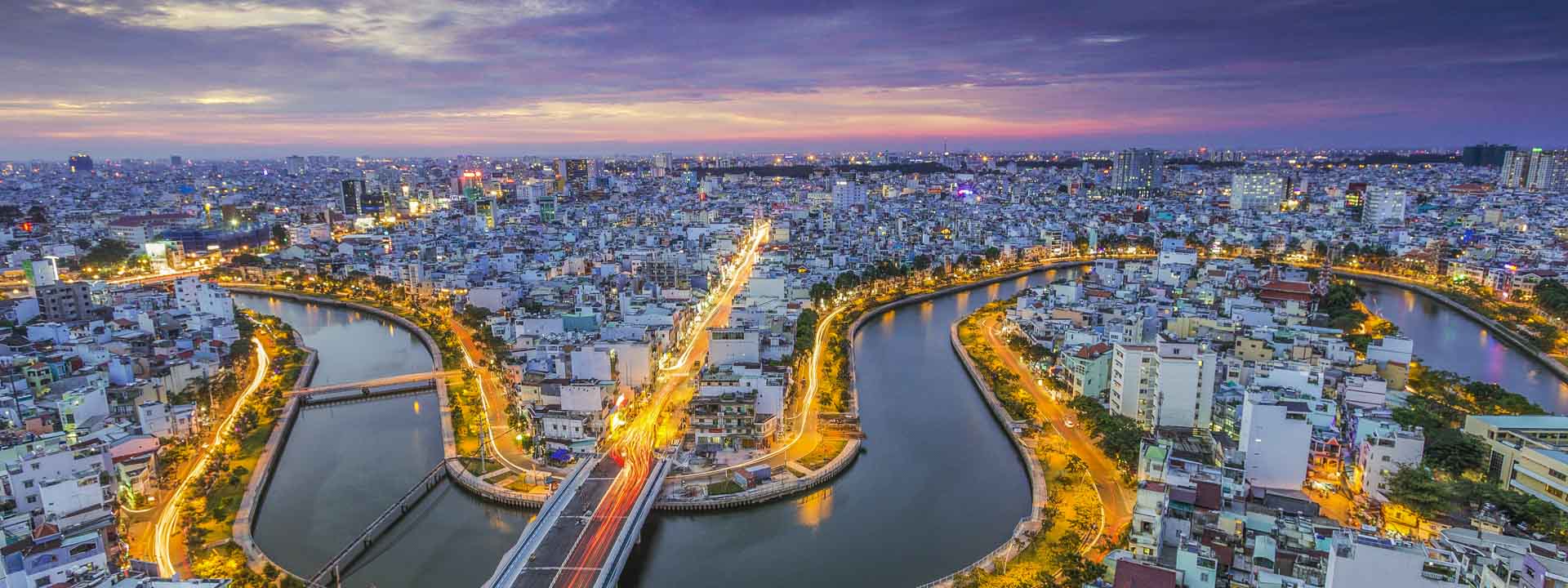
Southern Vietnam, including Ho Chi Minh City and the Mekong Delta, follows a tropical pattern with a dry season and a rainy season.
Each region has its own rhythm, and understanding these differences is essential when deciding the best time to visit Vietnam.
When to Travel for the Most Balanced Experience
If your goal is to explore multiple regions in one trip, timing becomes even more important.
The most favorable periods for a cross-country itinerary are:
- March to May
- Late September to November
During these windows, much of the country experiences relatively stable weather. Temperatures are moderate, rainfall is manageable, and travel conditions are generally comfortable.
These months are often recommended for first-time visitors looking for a smooth introduction to Vietnam.
Northern Vietnam: Seasons That Shape the Experience
Northern Vietnam offers some of the country’s most iconic landscapes, but the experience changes noticeably throughout the year.
Spring brings mild temperatures and a fresh atmosphere, making it ideal for city exploration in Hanoi and outdoor activities in Ha Long Bay.
Autumn is widely regarded as the most visually appealing season. The air becomes cooler, skies clearer, and landscapes especially in rural areas take on a softer, golden tone.
Winter can be surprisingly chilly, particularly in mountainous regions. While still atmospheric, visibility in places like Ha Long Bay may be reduced by mist.
Summer introduces heat and humidity, along with occasional storms. Travel remains possible, but it requires more flexibility and preparation.

Central Vietnam: A Region That Requires Careful Timing
Central Vietnam can be the most challenging region to plan due to its distinct weather cycle.
The dry season, which runs roughly from February to August, offers the best conditions for beaches, historical sites, and outdoor exploration. This is when destinations like Hoi An and Da Nang are at their most accessible.
However, the rainy season arrives later in the year, often bringing intense rainfall and occasional typhoons. Flooding can affect low-lying areas, especially in historic towns.
For travelers including central Vietnam in their plans, timing is critical to ensure a smooth experience.
Southern Vietnam: Predictable but Still Strategic
Southern Vietnam is often the easiest region to plan, thanks to its more stable climate.
The dry season provides warm, sunny days with low humidity, making it ideal for exploring Ho Chi Minh City or taking boat trips through the Mekong Delta.
The rainy season, while more humid, does not typically disrupt travel significantly. Showers tend to be short and concentrated, often in the afternoon.
Interestingly, this period can offer a more vibrant landscape, with greener scenery and fewer tourists.
Understanding Vietnam Weather by Month
Looking at Vietnam weather by month helps refine your travel decisions.
Early in the year, northern Vietnam tends to be cooler, while southern regions remain warm and dry.
Spring months bring more balanced conditions across the country, making them particularly attractive for first-time visitors.
Mid-year introduces higher temperatures and increased rainfall, especially in southern and northern regions.
Later in the year, conditions improve again in the north, while central Vietnam may experience heavier rain.
By tracking these patterns, travelers can align their plans with the most favorable conditions.
Travel Experiences That Depend on Timing
Timing your visit well allows you to access experiences that are not available year-round.
In northern Vietnam, the rice harvest season creates stunning landscapes that attract photographers and nature lovers.
Coastal areas in central Vietnam are best enjoyed during calm, sunny months when water conditions are ideal.
In the south, river life in the Mekong Delta becomes more dynamic during the wetter months, offering a different perspective on local culture.
Choosing the right season enhances not only comfort but also the depth of your travel experience.

Festivals and Cultural Moments
Vietnam’s cultural calendar adds another layer to travel planning.
Major holidays, particularly the Lunar New Year, transform cities and villages with decorations, traditions, and family gatherings. While culturally rich, these periods can also bring closures and increased travel demand.
Other local festivals provide insight into regional traditions and daily life. For travelers interested in culture, aligning your visit with these events can be highly rewarding.
Budget Considerations and Travel Value
Timing also affects cost.
Peak travel periods, especially during ideal weather months, often come with higher prices and increased demand.
Shoulder seasons can offer better value, with lower accommodation rates and fewer crowds. Even the rainy season can be an attractive option for budget-conscious travelers who are willing to adapt their plans.
Understanding this balance is an important part of planning a realistic Vietnam itinerary.
Practical Tips for Planning Your Trip
To make the most of your journey:
- Focus on fewer regions rather than trying to see everything
- Build flexibility into your schedule, especially during transitional seasons
- Check regional forecasts instead of relying on national averages
- Pack for varying conditions, including both heat and occasional rain
These small but practical steps can significantly improve your overall experience.
Common Planning Mistakes to Avoid
Many travelers underestimate how much Vietnam’s climate varies.
A common mistake is trying to visit the entire country without adjusting for regional weather differences.
Another is assuming that rain will ruin the trip, when in reality it often comes in short bursts and can even enhance the landscape.
Avoiding these misconceptions allows for more realistic expectations and better planning.
The question of the best time to visit Vietnam does not have a single answer and that is part of what makes the country so interesting.
Each season reveals a different side of Vietnam. From misty mountains in the north to sunlit beaches in the center and vibrant river life in the south, the experience is constantly evolving.
Rather than chasing perfect weather, the most successful travelers adapt their plans to the country’s natural rhythms. With the right approach, Vietnam offers meaningful experiences at any time of year.
Understanding when to go is not just about comfort it’s about discovering Vietnam in a way that feels personal, authentic, and unforgettable.

-
Discover the best time to visit Ninh Binh with detailed weather insights, rice seasons, boat tours, ...
-
Discover Halong Bay weather by month, best time to visit, cruise tips, seasonal insights, and practi ...
-
Discover the best time for a Halong Bay cruise with a detailed monthly guide, weather insights, and ...


Comment