

Luxury Travel Blog
 Travel Tips & Insights
 Culture, Tradition & Cuisine
OUR CLIENTS' REVIEWS

Ms Lena Karento

Mr Michael & Ms Jenny

M Alain Dubois
RECOMMANDED ON

OUR VISITORS' GALLERY





OUR COLLECTION OF VIDEOS

Best Time to Visit Vietnam: Month-by-Month Weather Guide, Seasons, Regions & Travel Tips for First-Time Visitors
Best Time to Visit Vietnam
Planning the right time to travel is one of the most important decisions you’ll make when visiting Vietnam. Unlike smaller destinations with consistent weather, Vietnam stretches over 1,600 kilometers from north to south, creating three distinct climate zones. This means there is no single “perfect” season for the entire country. Instead, the best time to visit Vietnam depends on where you go, what you want to experience, and how flexible your itinerary is.
This guide breaks down Vietnam’s weather by region and by month, helping you align your travel plans with real conditions on the ground. Whether you're building your first Vietnam itinerary or refining a return trip, understanding the seasons will save time, reduce stress, and improve your overall experience.
Understanding Vietnam’s Climate
Vietnam has a tropical monsoon climate, but geography creates strong regional differences.
Northern Vietnam, including Hanoi, Ha Long Bay, and Sapa, experiences four distinct seasons. Winters can be surprisingly cool, while summers are hot and humid.
Central Vietnam, including Hue, Da Nang, and Hoi An, is influenced by coastal weather patterns. It has a long dry season but also faces heavy rains and occasional typhoons.
Southern Vietnam, including Ho Chi Minh City and the Mekong Delta, has a more predictable tropical climate with two main seasons: dry and rainy.
Because of these variations, the concept of the best time to visit Vietnam must always be considered regionally.
Best Time to Visit Northern Vietnam
Northern Vietnam offers some of the country’s most iconic landscapes, but weather can vary significantly.
From March to May, conditions are generally warm and dry. This is one of the most recommended periods for visiting Hanoi and Ha Long Bay. Temperatures are comfortable, and visibility is good for cruises and outdoor activities.
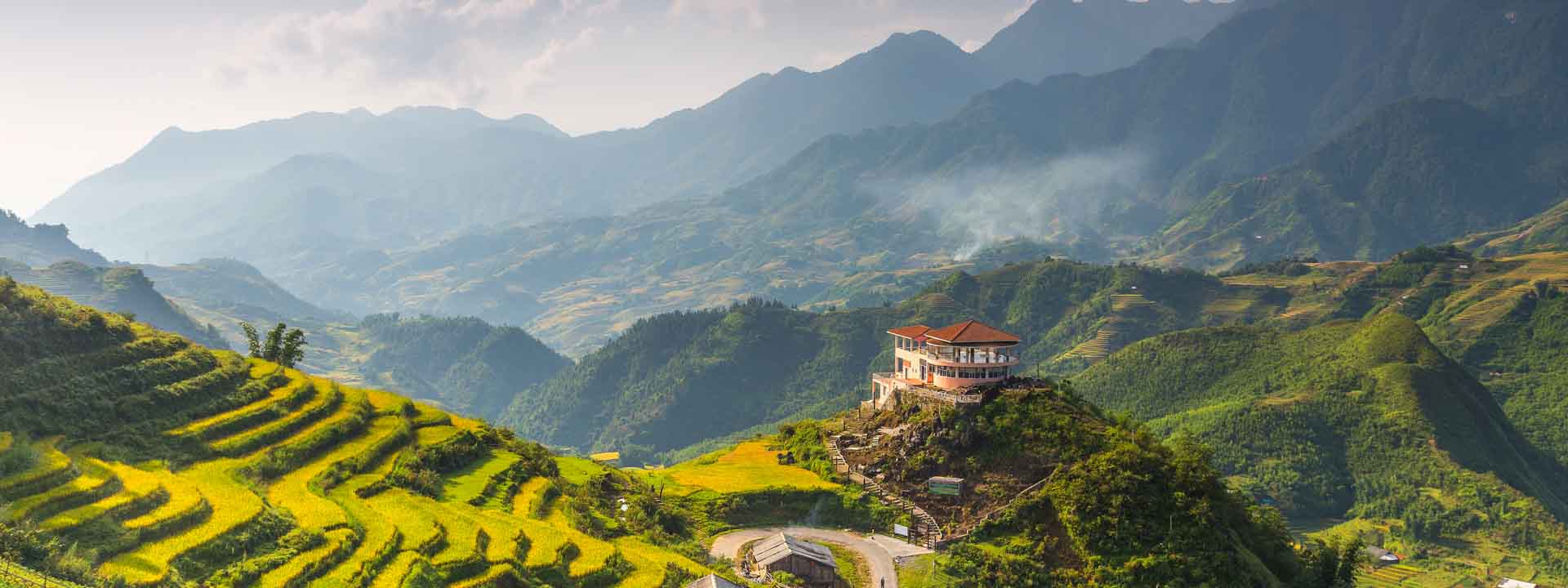
From September to November, the weather becomes cooler and drier again. This is another excellent window, especially for trekking in Sapa when rice terraces turn golden during harvest season.
Winter months from December to February can be cold, especially in mountainous areas. Temperatures in Sapa can drop significantly, and fog may reduce visibility in Ha Long Bay.
Summer from June to August is hot, humid, and prone to heavy rain. While travel is still possible, conditions can be less comfortable.
For most travelers, spring and autumn represent the best time to visit Vietnam if your focus is the north.
Best Time to Visit Central Vietnam
Central Vietnam has a different weather pattern, which can sometimes confuse first-time visitors.
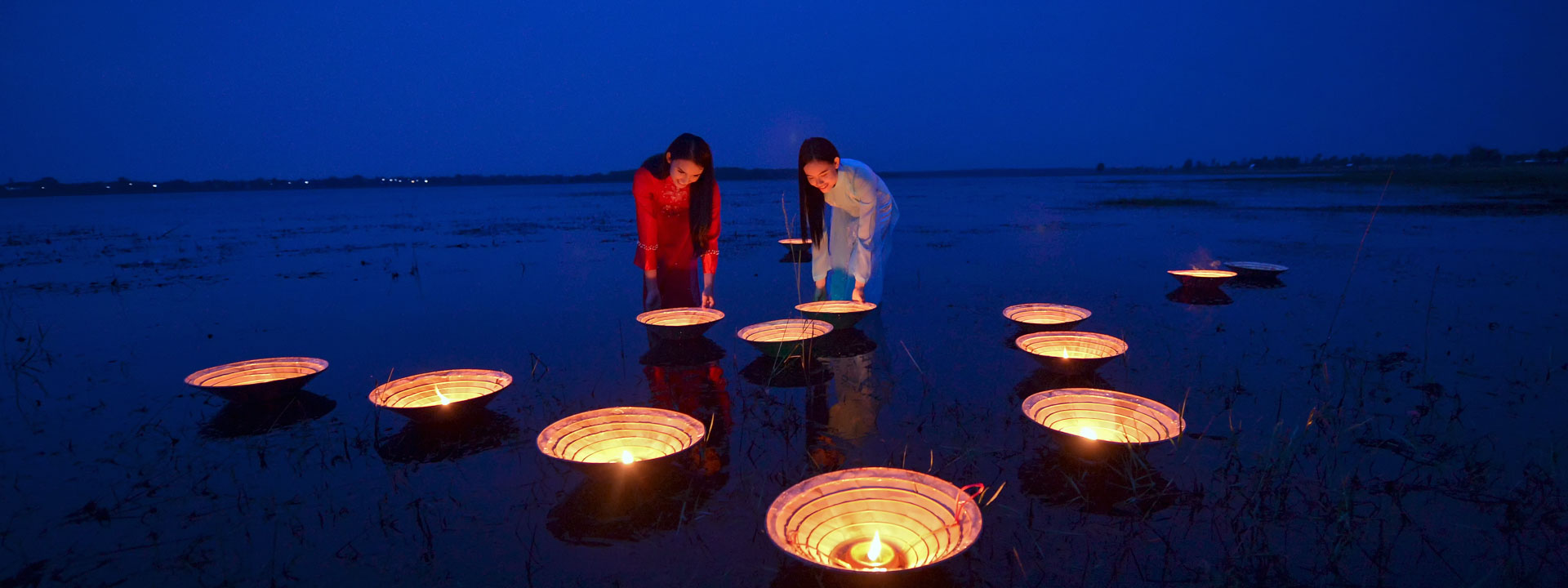
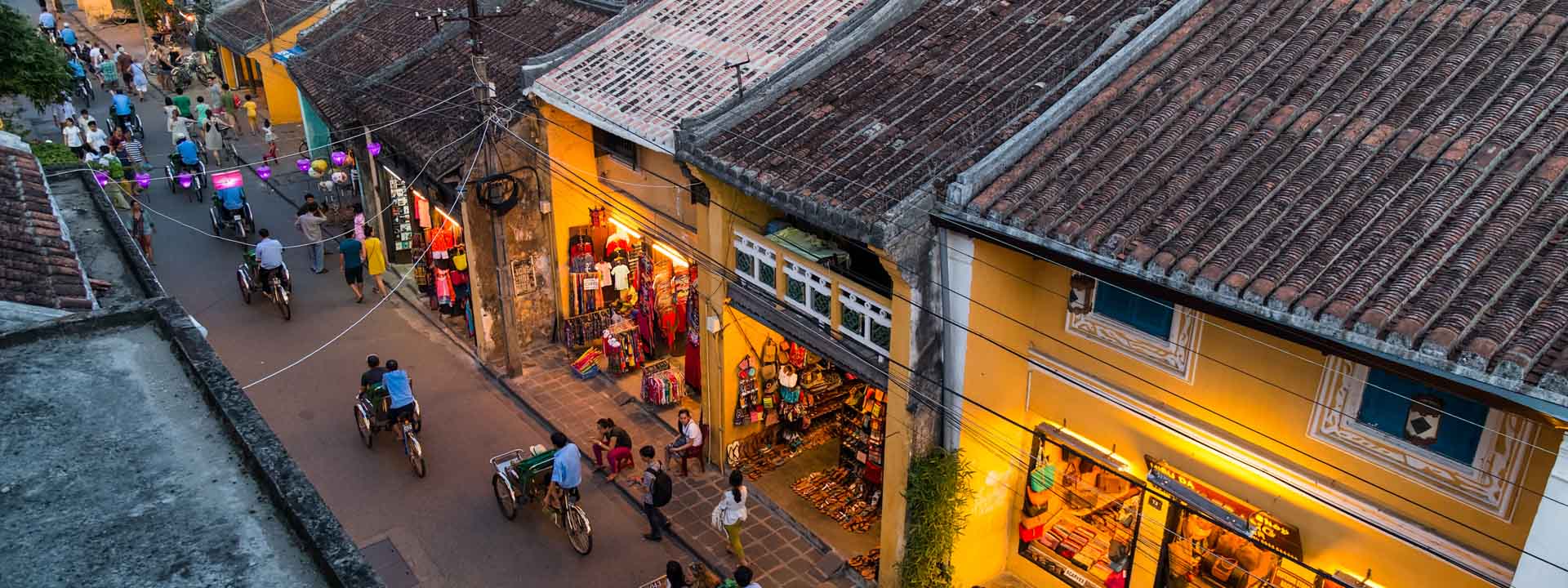
From February to August, the region experiences warm and mostly dry weather. This is the ideal time to visit beaches in Da Nang and explore the historic town of Hoi An.
From September to November, heavy rains and occasional typhoons affect the region. Flooding can occur in Hoi An, making travel more challenging.
December and January are cooler, with occasional rain, but still manageable for cultural visits.
If your itinerary includes central destinations, the best time to visit Vietnam is typically between February and May for balanced weather.
Best Time to Visit Southern Vietnam
Southern Vietnam is the easiest region to plan for, thanks to its relatively stable climate.
The dry season runs from December to April. This is considered the most comfortable time to visit Ho Chi Minh City and the Mekong Delta, with lower humidity and minimal rainfall.
The rainy season from May to November brings short, heavy showers, usually in the afternoon. These rains rarely disrupt travel plans significantly and can even make the landscape greener and more vibrant.
For those prioritizing southern destinations, the dry season is generally the best time to visit Vietnam, though the rainy season remains a viable option.
Vietnam Weather by Month
Understanding Vietnam weather by month helps refine your travel timing.
January offers cool weather in the north, mild conditions in the center, and dry conditions in the south. It’s a good time for a south-focused itinerary.
March and April are among the best months overall, with stable weather across most regions.
June to August are hot and humid nationwide, with higher chances of rain, especially in the north and south.
September can be excellent in the north but risky in central Vietnam due to storms.
October and November are ideal for northern travel but less suitable for central regions.
December provides comfortable weather in the south and cooler conditions in the north.
This month-by-month variation highlights why flexibility is key when planning your Vietnam travel seasons.
When to Visit Vietnam for Specific Experiences
Different travel goals require different timing.
For trekking in Sapa, September and October offer the most scenic views with golden rice fields.
For beach holidays in Da Nang or Phu Quoc, the period from March to August is ideal.
For cultural exploration in cities like Hanoi or Hue, spring and autumn provide the most comfortable conditions.
For budget travelers, the shoulder seasons (May and September) often offer lower prices and fewer crowds.
Matching your goals with the right timing is essential when deciding the best time to visit Vietnam.
Festivals and Cultural Events
Vietnam’s festivals can enhance your travel experience but also impact logistics.
Tet (Vietnamese Lunar New Year), usually in January or February, is the most important holiday. While it offers unique cultural insight, many businesses close, and transportation can be crowded.
The Mid-Autumn Festival, typically in September, is a vibrant event, especially in Hoi An.
If your schedule allows, aligning your visit with these events can add depth to your trip.
Travel Tips Based on Seasons
Each season requires slightly different preparation.
In summer, lightweight clothing and hydration are essential due to heat and humidity.
During the rainy season, a light rain jacket and flexible plans help manage sudden showers.
In winter, especially in northern Vietnam, warmer layers are necessary.
These practical Vietnam travel tips ensure comfort regardless of when you travel.
Common Mistakes to Avoid
Many first-time visitors assume Vietnam has a single climate, leading to poor planning.
Another common mistake is trying to visit all regions in one short trip without considering weather differences.
Ignoring regional forecasts can result in missed experiences, especially in areas prone to seasonal rain.
Avoiding these pitfalls will help you make the most of your Vietnam itinerary.
There is no one-size-fits-all answer to the best time to visit Vietnam. The ideal timing depends on your itinerary, travel style, and priorities.
If you want the most balanced experience across the country, aim for March to May or September to November. If your focus is more specific, tailor your timing to each region.
Vietnam is a year-round destination, and with the right planning, every season offers something unique. Understanding the climate is not just about avoiding bad weather it’s about unlocking the best possible version of your journey.

-
Discover the best time to visit Ninh Binh with detailed weather insights, rice seasons, boat tours, ...
-
Discover Halong Bay weather by month, best time to visit, cruise tips, seasonal insights, and practi ...
-
Discover the best time for a Halong Bay cruise with a detailed monthly guide, weather insights, and ...


Comment