

Luxury Travel Blog
 Travel Tips & Insights
 Culture, Tradition & Cuisine
OUR CLIENTS' REVIEWS

Ms Lena Karento

Mr Michael & Ms Jenny

M Alain Dubois
RECOMMANDED ON

OUR VISITORS' GALLERY





OUR COLLECTION OF VIDEOS


Best season to Visit Vietnam Weather by Month, Regional Guide & Smart Travel Tips for First-Time Visitors
Best Time to Visit Vietnam new Travel Guide
Vietnam is one of Southeast Asia’s most dynamic destinations, but timing your visit can make a significant difference. Unlike countries with a consistent climate, Vietnam stretches across multiple weather zones. This means understanding the best time to visit Vietnam is less about choosing a single season and more about aligning your travel plans with regional conditions.
In this updated 2026 guide, you’ll find practical insights, realistic expectations, and smart strategies to help you plan a smooth and rewarding journey.
Vietnam Weather Overview: What You Need to Know
Before deciding when to travel, it’s essential to understand how Vietnam’s geography shapes its climate.
Vietnam can be divided into three key regions:
- Northern Vietnam (Hanoi, Ha Long Bay, Sapa): Four distinct seasons
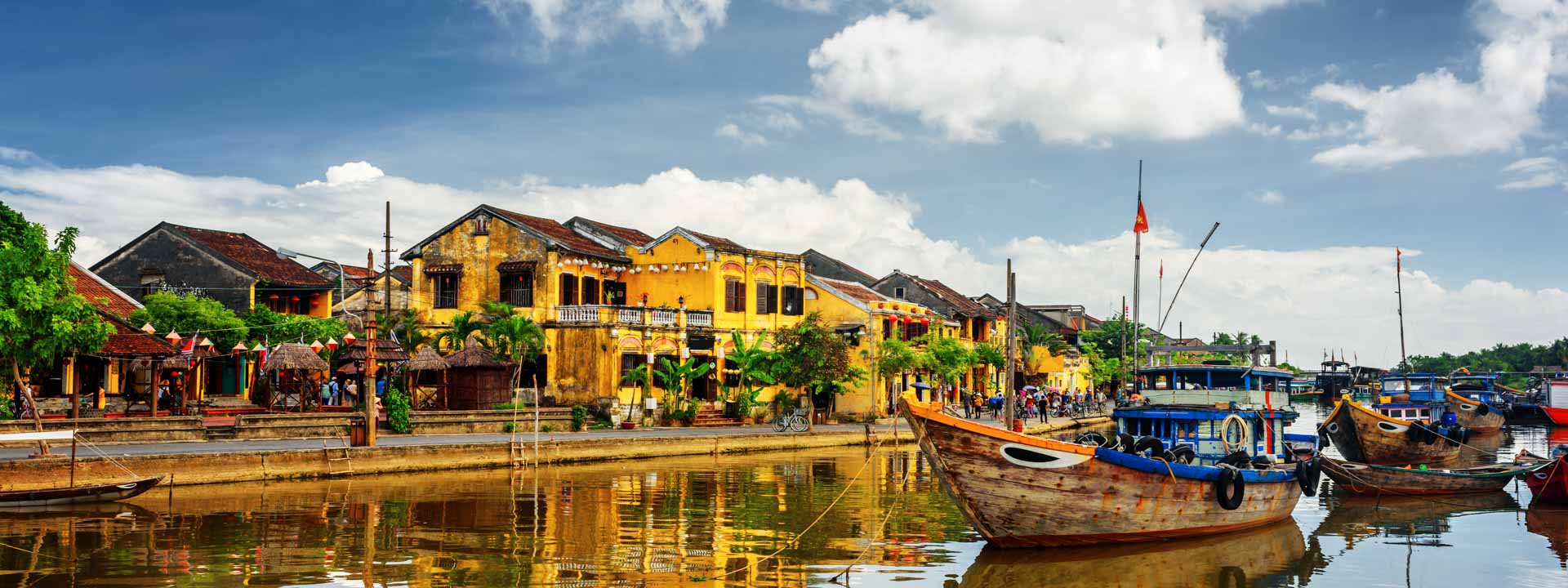
- Central Vietnam (Hue, Da Nang, Hoi An): Dry season with a late-year rainy period
- Southern Vietnam (Ho Chi Minh City, Mekong Delta): Tropical climate with wet and dry seasons
Because of these differences, the Vietnam weather by month varies widely depending on where you are.
When Is the Best Time to Visit Vietnam?
For travelers looking to explore multiple regions in one trip, the most balanced periods are:
- March to May
- Late September to November
These months offer a combination of moderate temperatures, manageable rainfall, and good travel conditions across much of the country. They are widely considered the safest choice for first-time visitors planning a complete Vietnam itinerary.
Northern Vietnam: Best Seasons for Culture and Nature
Northern Vietnam is often the starting point for many travelers. Timing here has a strong impact on your experience.
Spring (March–April) is one of the most comfortable periods. The weather is mild, making it ideal for walking tours in Hanoi and cruising in Ha Long Bay.
Autumn (October–November) is another standout season. The air becomes cooler, skies are clearer, and rural landscapes—especially rice terraces—are at their most photogenic.
Winter (December–February) brings cooler temperatures and occasional mist. While atmospheric, it may limit visibility in some areas.
Summer (May–August) is hot and humid, with frequent rain. Travel is still possible but requires flexibility.
Central Vietnam: Ideal for Beaches and Heritage
Central Vietnam requires more careful planning due to its distinct weather cycle.
The dry season (February–August) is the best time to visit destinations like Hoi An and Da Nang. Expect sunshine, calm seas, and excellent beach conditions.
The rainy season (September–November) can bring heavy rain and occasional flooding. This is the least predictable time to visit the region.
For travelers prioritizing coastal experiences, aligning your trip with the dry season is essential when considering the best time to visit Vietnam.

Southern Vietnam: Flexible Travel Year-Round
Southern Vietnam offers the most consistent travel conditions.
The dry season (December–April) provides warm, sunny days with low humidity—ideal for exploring Ho Chi Minh City and the Mekong Delta.
The rainy season (May–November) brings short, intense showers, typically in the afternoon. These rarely disrupt travel plans and can make the landscape more vibrant.
This flexibility makes the south a reliable option regardless of when you visit.
Vietnam Weather by Month: Practical Insights
Understanding Vietnam weather by month helps fine-tune your travel plans.
- January–February: Cooler in the north, dry in the south
- March–April: Best overall conditions nationwide
- May–June: Warmer, start of rainy season in the south
- July–August: Hot and humid across most regions
- September: Good in the north, wet in central areas
- October–November: Ideal for northern travel
- December: Comfortable south, cooler north
These patterns highlight why flexibility is key when planning a trip to Vietnam.
Best Time for Unique Travel Experiences
Choosing the right time can unlock specific experiences that define your trip.
- Rice terraces in northern Vietnam: Best in September–October
- Beach holidays in central Vietnam: March–July
- Cultural exploration in cities: Spring and autumn
- River life in the Mekong Delta: Rainy season for lush scenery
These seasonal highlights add depth to your journey and go beyond standard sightseeing.
Festivals and Cultural Timing
Vietnam’s cultural calendar can enhance your experience if planned carefully.
The most important event is Tet (Lunar New Year), usually in January or February. It offers a unique cultural atmosphere but also comes with business closures and increased travel demand.
Other events, such as the Mid-Autumn Festival, bring vibrant street scenes and local traditions.
Timing your visit around these events can provide deeper insight into Vietnamese culture.
Budget Travel: When to Save Money
Travel costs in Vietnam fluctuate depending on the season.
- Peak season (March–April, October–November): Higher prices, more tourists
- Shoulder season (May, September): Better deals, fewer crowds
- Low season (rainy months): Lowest prices, more flexibility needed
For budget-conscious travelers, the shoulder and low seasons offer excellent value while still providing meaningful experiences.
Smart Travel Planning Tips
To make the most of your trip:
- Focus on one or two regions if your time is limited
- Plan your route based on weather patterns, not just attractions
- Allow buffer time for travel delays during rainy periods
- Pack for both heat and occasional rain
These practical Vietnam travel tips can significantly improve your overall experience.
Common Mistakes First-Time Visitors Make
Avoid these common pitfalls:
- Trying to visit the entire country without considering climate differences
- Assuming weather conditions are the same nationwide
- Overloading itineraries without allowing for rest or flexibility
Understanding Vietnam’s regional diversity helps prevent these issues.
The best time to visit Vietnam depends on how you want to experience the country. For a balanced journey covering multiple regions, March to May and September to November remain the most reliable choices.
However, Vietnam is a destination that can be enjoyed year-round. Each season offers something unique—from misty mountain landscapes to sunlit beaches and vibrant river life.
With thoughtful planning and a flexible approach, your trip to Vietnam will not only meet expectations but exceed them.

-
Discover the best time to visit Ninh Binh with detailed weather insights, rice seasons, boat tours, ...
-
Discover Halong Bay weather by month, best time to visit, cruise tips, seasonal insights, and practi ...
-
Discover the best time for a Halong Bay cruise with a detailed monthly guide, weather insights, and ...


Comment